dyyseo

Titanium dioxide is mainly divided into three types: plate titanium dioxide, anatase titanium dioxide, and rutile titanium dioxide. Rutile titanium dioxide and anatase titanium dioxide are two important types of titanium dioxide, which are currently the most widely used in the market. However, their properties differ greatly.

titanium dioxide nanopowder
Difference in Chemical property


Titanium dioxide has extremely stable chemical properties and is a slightly acidic amphoteric oxide. At room temperature, it hardly reacts with other elements and compounds, and has no effect on oxygen, ammonia, nitrogen, hydrogen sulfide, carbon dioxide, and sulfur dioxide. It is insoluble in water, fat, dilute acids, inorganic acids, and bases, and only soluble in hydrofluoric acid. But under the action of light, titanium dioxide can undergo continuous oxidation-reduction reactions and has photochemical activity. This photochemical activity is particularly evident in rutile type titanium dioxide under ultraviolet irradiation, which makes titanium dioxide both a photosensitive oxidation catalyst for certain inorganic compounds and a photosensitive reduction catalyst for certain organic compounds.
Rutile type has better powder resistance and light retention than anatase type. However, the surface of pure TiO2 (anatase titanium dioxide) particles is photochemically active in the presence of water vapor and oxygen, rather than being inherently photochemically stable. Pure TiO2 can even promote the degradation of the substrate around its particles. Therefore, it is necessary to first stabilize TiO2 itself with light. The stability can be determined by controlling the type and amount of different inorganic oxides. Inorganic coating treatment is applied to TiO2. Forming a shielding net between the surface of TiO2 particles and the organic resin no longer promotes (reduces) the degradation of the organic resin.
The chemical name for titanium dioxide is titanium dioxide (TiO2), which is the best type of white pigment. Compared with anatase titanium dioxide, rutile titanium dioxide has the following advantages:
(1) High refractive index
The refractive index of rutile type is 2.71, and the refractive index of anatase type is 2.52. Therefore, the former has better coverage and glossiness than the latter.
(2) Different crystal structures
Rutile type crystals have a dense structure, stable specific ratios, low photochemical activity, and therefore good weather resistance. Whether it is rutile or anatase titanium dioxide, in the visible light wavelength range (400-700nm), they have an impact on
The reflectivity of light is high, therefore it has good whiteness. However, in the wavelength range of ultraviolet light, such as 300-400 nanometers, which is smaller than the visible light range, there is a significant difference in the performance exhibited by the two different crystal forms. For rutile (red line) in the highly lethal UVA band (350-400m), its reflectivity for ultraviolet radiation is much lower than that of blue anatase type. In other words, its absorption rate for ultraviolet radiation is much higher than that of blue anatase type. In this case, the organic resin surrounding it has to share much less ultraviolet light.


Difference in Application


Plate titanium is an unstable crystal form with no industrial value. Anatase, abbreviated as A type, and Rutile, abbreviated as R type, both have stable crystal lattices and are important white pigments and porcelain glazes. Compared with other white pigments, they have superior whiteness, coloring power, covering power, weather resistance, heat resistance, and chemical stability, especially without toxicity.
Sharp titanium dioxide, also known as A-type titanium dioxide. It is an excellent white powder pigment with good light scattering ability, resulting in good whiteness, strong coverage, and high chemical stability. It is non-toxic, odorless, and has no irritating effect on the human body. It is widely used in many industrial fields, such as coatings, plastics, photocatalysis, batteries, papermaking, and inks.
Rutile titanium dioxide, also known as R-type titanium dioxide. Based on the experience of quality control in the production of pyrite type titanium dioxide by sulfuric acid method, innovative research has been conducted on inorganic coating, organic treatment, salt treatment, calcination control, hydrolysis and product application. Advanced color and particle size control, zirconium silicon aluminum phosphorus multi-element inorganic coating and new organic treatment technology have been adopted to develop a new generation of high-end universal (slightly water-based) rutile titanium dioxide. Suitable for various industries such as architectural coatings, industrial paints, anti-corrosion paints, cosmetics, inks, batteries, powder coatings, etc.


SAT NANO is a best supplier of titanium dioxide nanopowder in China, we can offer 5nm, 30nm, 50nm and 100nm, if you have any enquiry, please feel free to contact us at admin@satnano.com
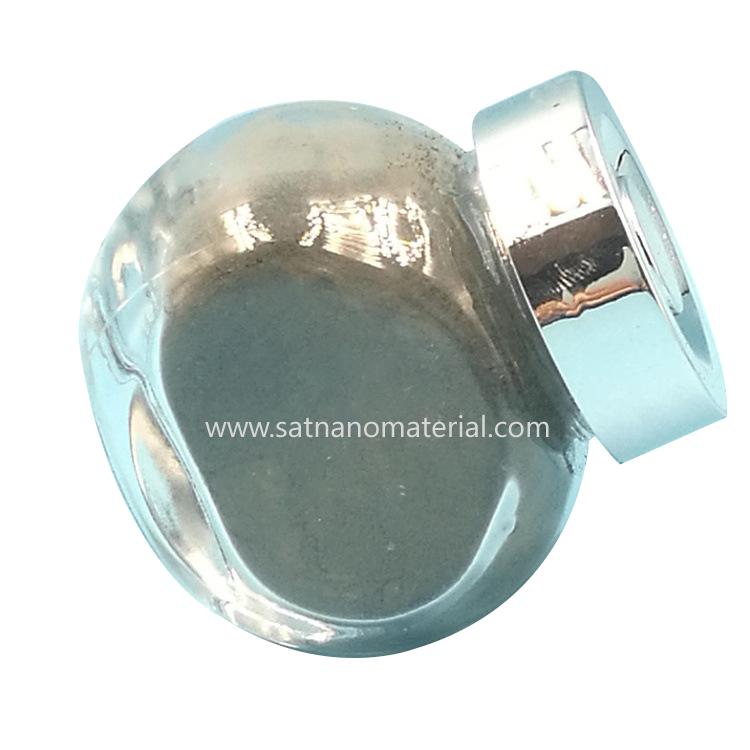
Ultra fine silicon carbide powder is an excellent inorganic material with excellent characteristics such as high chemical inertness, high hardness, and high melting point, making it widely used in the manufacturing industry. However, due to its low surface activity, it is difficult to achieve its excellent performance in certain industrial application scenarios. Therefore, the study of surface modification methods for ultrafine silicon carbide powder is of great significance.

silicon carbide

This article will introduce two surface modification methods for ultrafine silicon carbide powder, and test and characterize the modified powder.


Firstly, the method of modification through polyelectrolyte is introduced. This method uses cationic polyelectrolyte polydimethylammonium chloride (PDADMAC) or anionic polyelectrolyte sodium polystyrene sulfonate (PSS) to modify ultrafine silicon carbide powder. The specific process involves stirring PDADMAC or PSS with SiC powder in deionized water for 6 hours, then centrifuging at 3500rpm for 10 minutes, and drying the centrifuged powder at 90 ℃ for 12 hours to obtain polyelectrolyte modified SiC powder. This method can form a polyelectrolyte layer on the surface of ultrafine silicon carbide powder, increase surface activity, and improve its stability and dispersibility.


Secondly, the method of using surfactants for modification is introduced. This method uses non ionic surfactant octadecylamine polyoxyethylene ether (AC1830) and anionic polyelectrolyte sodium polystyrene sulfonate (PSS) to jointly modify silicon carbide. The specific operation method is to use a magnetic stirrer to mix 50g of original silicon carbide powder with 50ml of deionized water; Stir the mixture for 0-6 hours; Add 0.1-1.5wt% AC1830 (based on the mass of SiC powder) and stir the slurry for 0-6 hours; In order to minimize the negative effects caused by excessive modifiers, centrifuge the slurry at 3500rpm for 5 minutes, remove the supernatant, disperse the precipitate back in 50ml of deionized water, and then centrifuge again; Dry the precipitate in a 90 ℃ oven for 12 hours, grind it to obtain SiC powder modified with AC1830; Repeat the above operation using PSS; Finally, the modified silicon carbide powder is uniformly dispersed in deionized water to obtain a modified silicon carbide slurry. This method can form a surfactant molecular layer, improve the surface properties of ultrafine silicon carbide powder, and enhance its stability, dispersibility, and usability.

When testing and characterizing the modified ultrafine silicon carbide powder, SEM, XRD, particle size distribution, slurry viscosity, solid content, Zeta potential and other methods were mainly used. Among them, SEM observation results show that the surface of the modified silicon carbide powder is smoother and the particles are more uniform. The XRD test results showed that the crystallization performance of the modified silicon carbide powder did not change. The particle size distribution results show that the modified silicon carbide powder has a more uniform particle distribution and a more stable particle size. The test results of slurry viscosity, solid content, Zeta potential and other indicators also show that the modified silicon carbide powder has better dispersibility and stability.

silicon carbidesilicon carbide

Modification effect: (1) PDADMAC is adsorbed onto the surface of SiC particles through electrostatic attraction interaction. Due to the high affinity adsorption between the two, the adsorption configuration of PDADMAC on SiC surface is flat, and the adsorption amount, adsorption configuration, and modification effect do not change with the change of molecular weight. The modified pH value is 11, the addition amount is 0.24wt%, the temperature is 90 ℃, and the modification time is 6 hours. Because the adsorption of PDADMAC makes the charge on the surface of SiC reverse, the modified SiC powder is dissolved in water medium to adjust the pH value to 3, and the modified SiC powder is uniformly dispersed in water medium through the electrostatic steric stabilization mechanism, and 50 vol.% is prepared SiC slurry with a viscosity of 0.138Pa. s under solid phase content. (2) Sodium polystyrene sulfonate (PSS) is adsorbed onto the surface of SiC particles through hydrogen bonding and van der Waals forces. Due to the electrostatic repulsive interaction between the two, the adsorption configuration of PSS on the surface of SiC is circular and tail shaped, and as the molecular weight of PSS increases, its circular configuration on the surface of SiC particles expands, the adsorption capacity increases, and the modification effect improves. Using PSS with a molecular weight of Mw=1000000, the pH value is not adjusted during the modification process. The addition amount is 0.3wt%, the temperature is 90 ℃, and the modification time is 6 hours. The modified SiC powder was dissolved in the water medium, and the pH value was adjusted to 11. The modified SiC powder was uniformly dispersed in the water medium through the electrostatic steric stabilization mechanism. A SiC slurry with a high solid content (45vol.%) was obtained, corresponding to a slurry viscosity of 0.098Pa. s. (3) Non ionic surfactant octadecylamine polyoxyethylene ether (AC1830) and anionic polyelectrolyte sodium polystyrene sulfonate (PSS) were used as modifiers to modify silicon carbide powder. The adsorption of AC1830 is not affected by surface charges, can shield some charges, and can serve as an adsorption site for PSS, promoting the adsorption of PSS on SiC surface. Prepared a viscosity of 0.039Pa. s and a solid content of 50vol.% SiC slurry suitable for injection molding. The Zeta potential method indicates that the isoelectric point (IEP) of SiC powder modified by this method is significantly shifted to the left. The settlement experiment shows that the dispersion stability is significantly improved. The contact angle measurement shows that the modifier successfully adsorbs on the surface of the powder and provides hydrophilic groups, thereby improving the wettability of the powder. The adsorption test results indicate that the isothermal and kinetic adsorption models of PSS on SiC powder and AC1830 modified SiC powder conform to the Langmuir model and pseudo second order (PSO) model. The adsorption of AC1830 on SiC surface improved the adsorption capacity of PSS.


SAT NANO can supply high quality Ultra fine silicon carbide powder 50nm, 100nm, 1-3um particle size, if you have any enquiry, please feel free to contact us at admin@satnano.com
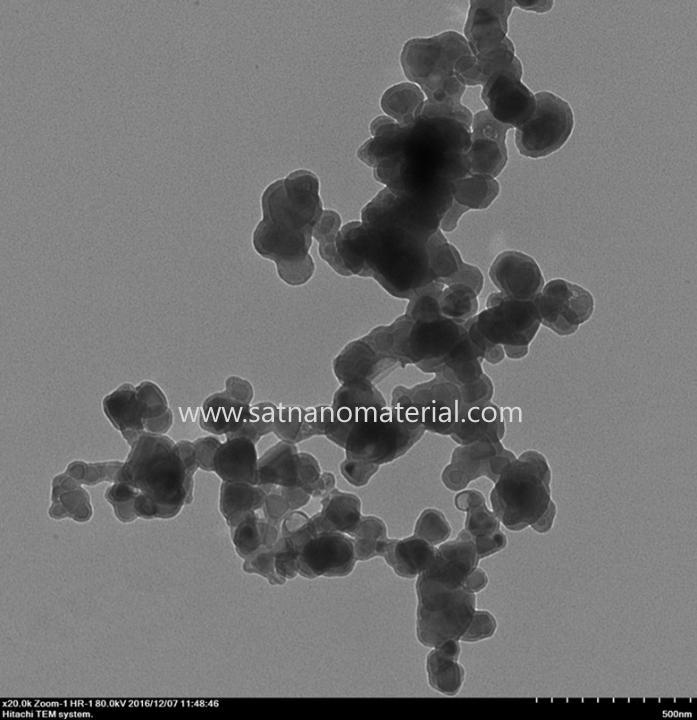
1. Antibacterial agents and their classification


Antibiotics refer to drugs that can inhibit bacterial growth, damage their living environment, and effectively and continuously exert their effects. Antibacterial agents are divided into two categories: organic antibacterial agents and inorganic antibacterial agents. Among them, organic antibacterial agents include natural and synthetic types, while inorganic antibacterial agents mainly include metals, metal ions, and oxides. The commonly referred to antibacterial measures include inhibition, killing, elimination of toxins secreted by bacteria, and prevention. Due to the strong thermal stability, long-lasting functionality, and safety and reliability of inorganic antibacterial agents, coupled with the development of ultra-fine technology in recent years, nanoscale inorganic antibacterial agents can be mass-produced and blended or composite into chemical fibers, ensuring the industrialization of antibacterial chemical fibers.

tio2 dispersion

2. Nano antibacterial agents

Photocatalytic properties are one of the important characteristics of nano semiconductor materials. Common semiconductor compound materials include TiOz, ZnO, ZnS, CdS&PbS, etc. Considering safety and cost factors, TiO2 and ZnO have better practicality, with TiO2 being the most commonly used.
The absorption wavelength threshold of semiconductors is mostly in the ultraviolet region. When the photon energy exceeds the semiconductor absorption threshold, the valence band electrons of the semiconductor undergo interband transitions, that is, transitions from the valence band to the conduction band, resulting in the generation of photo generated electrons (e) and holes (h+). At this point, the dissolved oxygen adsorbed on the surface of the nanoparticles captures electrons to form superoxide negative ions (· 05), while the holes will oxidize the hydroxide ions adsorbed on the catalyst surface and water to form hydroxide radicals (· OH). Both superoxide negative ions and hydroxide radicals have strong oxidizing properties, which can oxidize the vast majority of organic matter to the final products CO2 and H2O. During the reaction process, this semiconductor material, also known as the photocatalyst itself, does not undergo any changes.
Numerous studies have shown that adding some nano ZnO to nano TiO2 or adding some nano TiO2 to nano ZnO results in better antibacterial effects on fabrics compared to single nano materials, indicating the existence of nano synergistic effects between nano TiO2 and ZnO. This is due to the surface atoms of nano TiO2 and ZnO
The surface effects of particles vary due to different environments and bandgap widths, therefore, the absorption of light, especially ultraviolet radiation, has its own characteristic bands. When cotton fabrics are treated with nano TiO2 and ZnO composites, they can absorb ultraviolet radiation over a wider wavelength range, decompose more freely moving negatively charged electrons and positively charged holes, and form photo generated electron hole pairs. They react with surrounding water and oxygen to generate more 0-, HO ·, HOO ·, and H2O2, effectively killing bacteria and improving the antibacterial effect of the fabric.

Nano TiO2 as a bactericide also has the following characteristics: firstly, it has good immediate effect, such as the effect of silver series antibacterial agents occurring in about 24 hours, while nano TiO2 only takes about 1 hour; Secondly, TiO2 is a semi permanent antibacterial agent that maintains its antibacterial effect, unlike other antibacterial agents whose dissolution effect gradually decreases; Thirdly, it has good safety and no adverse effects on skin contact. The textile made by dispersing nanoscale ultra-fine TiO2 into spinning raw materials and spinning chemical fibers has good antibacterial properties and is cheap. Therefore, nanoscale TiO2 is widely used as the main antibacterial and deodorant in functional fibers.

tio2 dispersion

3.Metal ion antibacterial agents

Compared with organic antibacterial agents, metal ion antibacterial agents have the advantages of good safety (low toxicity, no carcinogenicity), high antibacterial activity, good heat resistance, wide antibacterial range, long persistence, and no drug resistance. They can be widely used in fields such as electronics, automobiles, building materials, water treatment, medical treatment, food, feed, packaging, textiles, and environmental protection.
According to the different metal ions contained, metal ion antibacterial agents can be divided into silver ions, copper ions, zinc ions, cobalt ions, nickel ions, vanadium ion antibacterial agents, etc.

Some metal particles (such as silver nanoparticles and copper nanoparticles) have certain bactericidal properties. They are spun in combination with chemical fibers to produce antibacterial functional fibers, which have stronger antibacterial effects and more washing times than general antibacterial fabrics. For example, ultrafine antibacterial powder can endow resin products with antibacterial ability and have inhibitory effects on various bacteria, fungi, and molds. Adding 1% of this powder to synthetic fibers can produce antibacterial fibers with good spinnability.


SAT NANO is one of the best supplier of Nano antibacterial agents, we can offer tio2 dispersion, zno dispersion, sio2 dispersion, silver doped tio2 dispersion and copper doped tio2 dispersion, if you have any enquiry, please feel free to contact us at admin@satnano.com
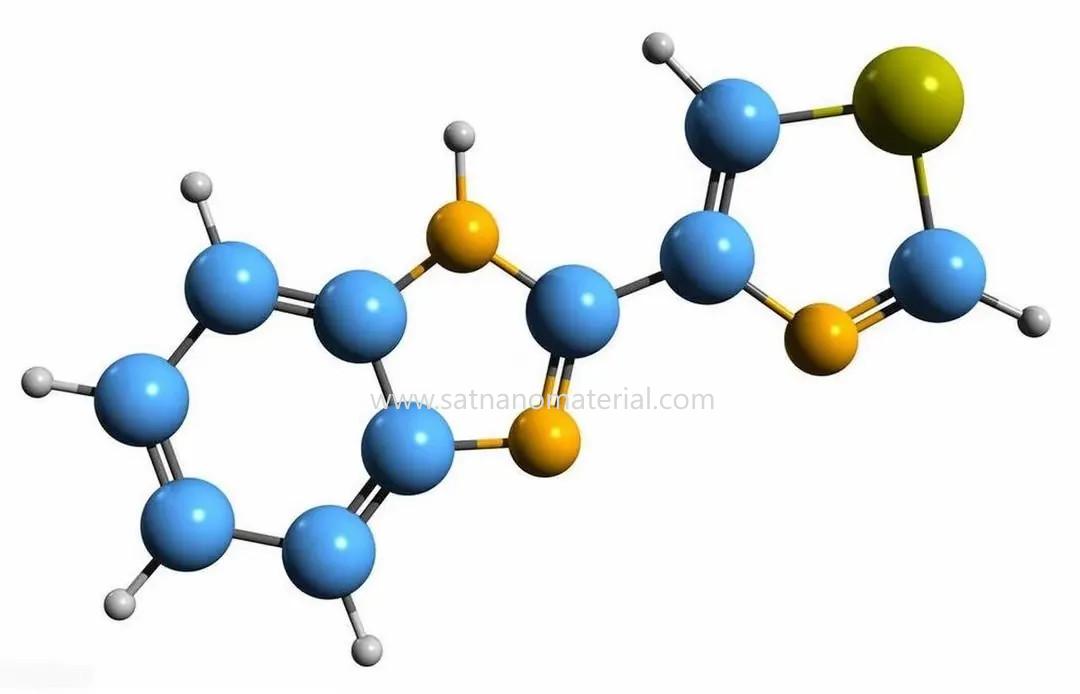
1. Structural Paradigm: The Inverse Spinel Advantage

Nickel Ferrite (NiFe2O4) stands as a premier magnetic semiconductor characterized by its inverse spinel crystal structure. In this configuration, Ni2+ ions reside in octahedral [B] sites, while Fe3+Fe3+ ions are split between tetrahedral (A) and octahedral [B] sites. This atomic arrangement facilitates strong superexchange interactions via oxygen bridges, resulting in high ferrimagnetic saturation and exceptional phase stability.


2. Critical Material Parameters

  • Eddy Current Suppression: With a high intrinsic electrical resistivity (ρ≈105−108 Ω⋅cm), NiFe2O4 effectively bypasses the skin effect and eddy current limitations that plague metallic micro-powders at high frequencies (MHz-GHz).
  • Thermal Robustness: Boasting a Curie temperature (TCTC) of ≈585∘C≈585∘C, NiFe2O4 maintains its magnetic integrity under extreme thermal loads where standard soft ferrites would transition to a paramagnetic state.
  • Impedance Tuning: Its moderate complex permeability (μrμr) and permittivity (εrεr) profiles allow for precision-engineered impedance matching (Zin≈Z0), ensuring maximum electromagnetic wave penetration and subsequent attenuation.


3. Mechanisms of EM Attenuation

Within the microwave absorption spectrum (C, X, and Ku bands), NiFe2O4 operates via:

  • Resonance Loss: Utilizing natural resonance and domain wall resonance to dissipate incident radiation.
  • Synergistic Damping: When integrated into polymer matrices, it acts as a magnetic loss regulator, balancing the overall dielectric/magnetic loss tangents to achieve Reflection Loss (RL) values exceeding -40 dB.


4. High-Value Application Verticals

1.Aerospace & Defense: Developing thermally stable Radar Absorbing Materials (RAM) for hypersonic platforms and engine housing.

  • Unique Contribution of NiFe2O4:
    • High Thermal Stability: Its high Curie temperature (TC≈585∘C) ensures that the magnetic loss capability remains "online" even under extreme thermal loads.
    • Chemical Inertness: In high-temperature oxidizing atmospheres, it remains structurally stable and does not oxidize into non-magnetic phases, ensuring long-term mission reliability.
  • Engineering Implementation: It is typically composited with high-temperature ceramic matrices (such as SiC) to create High-Temperature RAM. This is applied to critical areas like engine nozzles, leading edges of wings, and missile radomes.

NiFe2O4 nanpowder application

2.Telecommunications: Fabrication of ultra-high-frequency (UHF) circulators, isolators, and low-loss inductors for 5G/6G infrastructure.

  • Unique Contribution of NiFe2O4:
    • Guaranteed High Q-factor: Its exceptionally high electrical resistivity ensures that virtually no eddy current loss is generated in high-frequency alternating fields. This allows inductors to maintain high permeability while achieving a superior Quality Factor (Q).
    • Surpassing Snoek’s Limit: By controlling the nanostructure (e.g., flaky or anisotropic growth), the resonance frequency can be pushed into higher bands, meeting the wideband isolation requirements of 5G mmWave.
  • Engineering Implementation: Using NiFe2O4 powder in LTCC (Low-Temperature Co-fired Ceramic) technology to integrate magnetic components directly into multi-layer circuit boards, achieving highly integrated RF front-end modules.

NiFe2O4 nanpowder application

3.Electrocatalysis: Leveraging the catalytic sites of the spinel lattice for Oxygen Evolution Reaction (OER) and sensing hazardous volatile organic compounds (VOCs).

  • nique Contribution of NiFe2O4:
    • Synergistic Catalytic Effect: The synergistic interaction between NiNi and FeFe sites within the spinel lattice effectively lowers the overpotential of the OER, demonstrating catalytic activity comparable to noble metals.
    • Magnetic Recovery: As a heterogeneous catalyst, it can be easily recovered from the reaction medium using an external magnetic field, preventing catalyst loss and secondary pollution.
  • Engineering Implementation: Depositing nano-NiFe2O4 onto carbon cloth or nickel foam to construct high-performance, low-cost 3D electrocatalytic electrodes for hydrogen plants and high-sensitivity gas sensors (detecting Ethanol, H2SH2S, etc.).

NiFe2O4 nanpowder application

4.Biotechnology: Advanced magnetic fluid hyperthermia (MFH) for targeted oncological therapies.

  • Unique Contribution of NiFe2O4:
    • Efficient Magneto-Thermal Conversion: Under an alternating magnetic field (AMF), nano-NiFe2O4 releases significant heat through hysteresis and relaxation losses, heating the tumor locally to 42∘C42∘C–45∘C—a temperature that induces apoptosis (cell death) in cancer cells.
    • Targeting & Low Toxicity: When modified with specific biological ligands, NiFe2O4 particles act like "guided missiles," accumulating specifically in tumor regions for molecular-level precision thermotherapy.
  • Engineering Implementation: Formulated into Magnetic Nanofluids for intravenous injection or localized puncture, paired with external magnetic hyperthermia equipment for non-invasive treatment.


Nano nickel ferrite is not only a high-performance magnetic filler, but also a system level solution for impedance matching and high-frequency energy loss in complex electromagnetic environments. Nano nickel ferrite provides an irreplaceable technological advantage for scientific research and industrial applications that pursue lightweight, thin, and broadband.


Gold nanoparticles refer to ultrafine gold particles with a particle size between 1 and 100 nanometers. Unlike macroscopic gold, nanoscale gold exhibits significant surface plasmon resonance (SPR) effects, quantum size effects, and a huge specific surface area. These characteristics endow it with excellent optical, electrical, and catalytic properties in complex biological environments. In addition, gold nanoparticles have become an important bridge between nanotechnology and clinical medicine due to their stable chemical properties and low biological toxicity.


1. Application in medical diagnosis

1.1 Biosensing and Rapid Detection
One of the most widely used applications of gold nanoparticles is as markers for in vitro diagnostics (IVD). The most typical case is side stream immunoassay (such as early pregnancy test paper and COVID-19 rapid detection test paper), which uses the strong absorbance and color change of gold nano powder to realize the signal detection visible to the naked eye.

1.2 Imaging contrast enhancement
The high atomic number of gold gives it excellent X-ray attenuation ability. Compared to traditional iodine contrast agents, gold nanoparticles as CT contrast agents have longer blood circulation time and lower renal toxicity. At the same time, its photothermal properties also make it play a key role in photoacoustic imaging (PAI), significantly improving the imaging contrast of tumor tissue.

2. Innovative applications in the field of treatment

2.1 Photothermal Therapy (PTT)
Gold nanoparticles can efficiently convert light energy into heat energy under near-infrared light irradiation. By surface functionalization modification (such as linking folate or antibodies), these nanoparticles can accurately aggregate at the tumor site. After laser irradiation, the locally generated high temperature is sufficient to kill cancer cells, while causing minimal damage to surrounding healthy tissues.
gold nanopowder
2.2 Radiation therapy sensitization
Since gold nanoparticles can absorb high-energy rays and release secondary electrons (photoelectrons and Auger electrons), the use of gold nanoparticles during radiotherapy can significantly increase the local radiation dose, thus improving the killing rate of tumor cells and reducing the exposure risk to normal tissues.

2.3 Targeted drug delivery
The huge specific surface area of gold nano powder allows it to load a large number of chemotherapy drugs, proteins or nucleic acids (DNA/RNA). By utilizing its surface thiol chemistry (Au-S bonds), scientists can easily graft ligands onto the surface of nanoparticles, achieving precise drug delivery and controlled release, thereby reducing systemic toxic side effects.
gold nanopowder
The different particle sizes of gold nanoparticles will have different applications. The following is the parameter data compiled by Gary, a technician from SAT NANO company.


3. Diameter/Size: This is the core parameter that affects the performance of gold nanoparticles.

3.1 Less than 20 nm: mainly used for drug delivery and renal clearance. For example, the diameter of particles used for drug delivery is often around 13-18 nm, while particles used for liver targeting can be controlled between 10-30 nm. Ultra small gold nanoclusters (such as Au ₂₅) are composed of precise 25 gold atoms and typically have a diameter less than 3 nm.

3.2 20-50 nm: Widely used in optical imaging and photothermal therapy, such as 3.19 nm particles for imaging and 25 × 47 nm gold nanorods used in photothermal therapy.

3.3 50-200 nm: Commonly used in scenarios that require high photothermal conversion efficiency, such as multi-layer gold nanostructures (<100 nm) used for tumor photothermal therapy and nanogold probes used for immunohistochemical detection. Studies have shown that larger spherical particles (approximately 102 nm) are actually more easily taken up by certain cells.
gold nanopowder
4. Optical properties: This is the basis for gold nanoparticles to be used for imaging and therapy.

4.1 Characteristic absorption peak (λ max): Spherical gold nanoparticles usually have an absorption peak around 520-530 nm, while gold nanorods have two plasmon resonance absorption peaks, horizontal and vertical. The vertical peak can be moved to the near-infrared region (usually 600-900 nm) by adjusting the aspect ratio of the rod. The light energy in this band penetrates deeper tissues, making it very suitable for photothermal therapy and deep tissue imaging.

4.2 Luminescence Characteristics: When used for biological imaging, high quantum yield (such as 12.9%) means brighter signals, while ultra long luminescence lifetime (about 1 microsecond) can be effectively shielded from background fluorescence of biological tissues through time gating technology, resulting in higher resolution images.

4.3 Surface Modification: In order to increase stability, biocompatibility, and targeting, the surface of gold nanoparticles usually needs to be "disguised".

4.4 PEG modification: Polyethylene glycol (PEG) is the most commonly used modifying molecule, which acts as a "invisibility cloak" for particles, reducing their clearance by the immune system and prolonging circulation time in the body. For example, PEG3000 modified 40 nm gold particles.

4.5 Targeted molecular modification: By connecting specific ligands, nanoparticles can accurately find their targets. For example, modifying GalNAc (N-acetylglucosamine) can achieve liver targeting; Connecting antibodies can be used for targeted imaging and treatment of tumors.


Overall, the choice of parameters for gold nanoparticles depends entirely on your specific application goals:

If the goal is high-resolution biological imaging, especially deep tissue imaging, the focus can be on particles with a size of a few nanometers, high quantum yield, and near-infrared luminescence characteristics.

If the target is photothermal therapy for tumors, it is necessary to choose particles with strong absorption in the near-infrared region (such as 808 nm) and high photothermal conversion efficiency (such as 77%), and their optimal size is usually below 100 nm.

If the goal is to build a targeted drug delivery system, particles with a particle size of 10-30 nm and a surface that is easy to modify with multiple functions (such as linking PEG and targeting ligands) are a more suitable choice.


SAT NANO is a best supplier of gold nanopowder in China, we can offer nano particle 20-30nm, if you need gold dispersion, we also can supply, if you have any enquiry, please feel free to contact us at admin@satnano.com
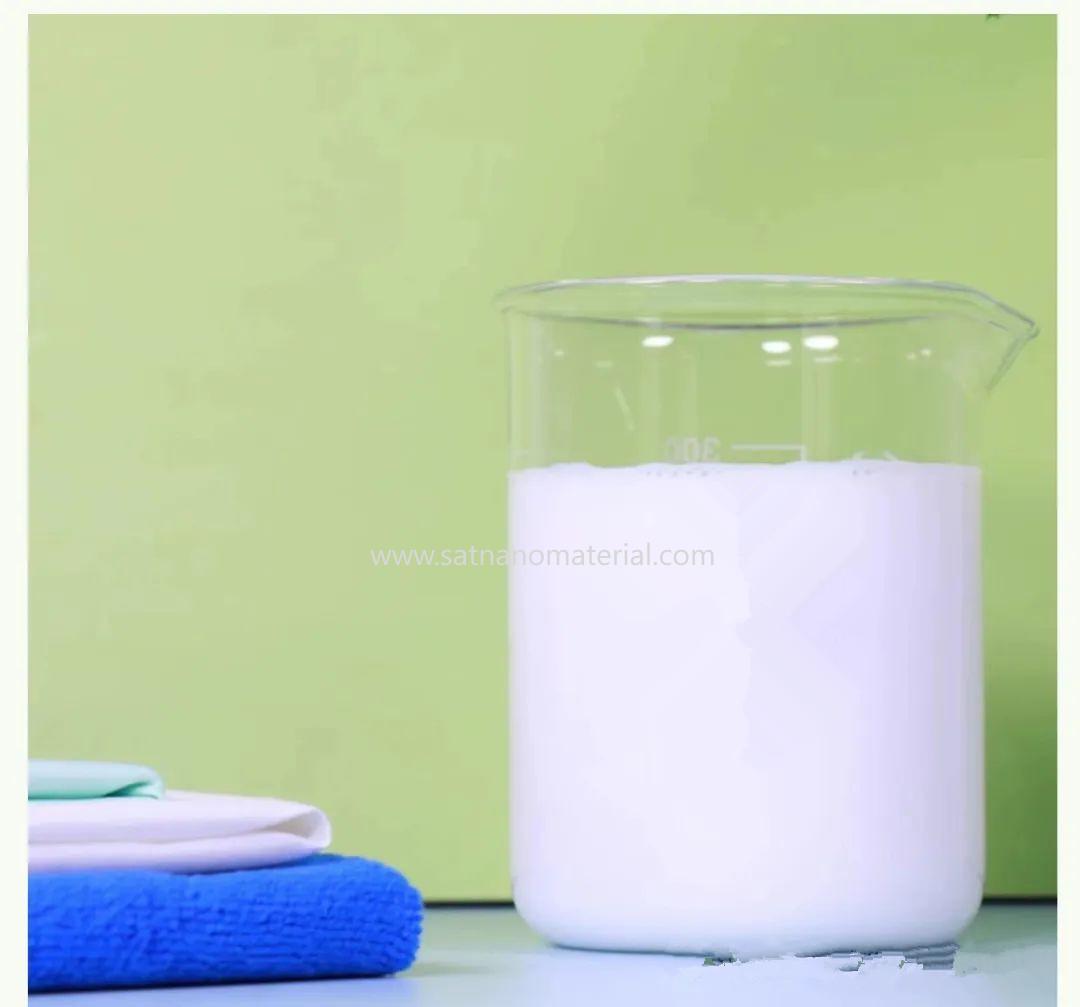
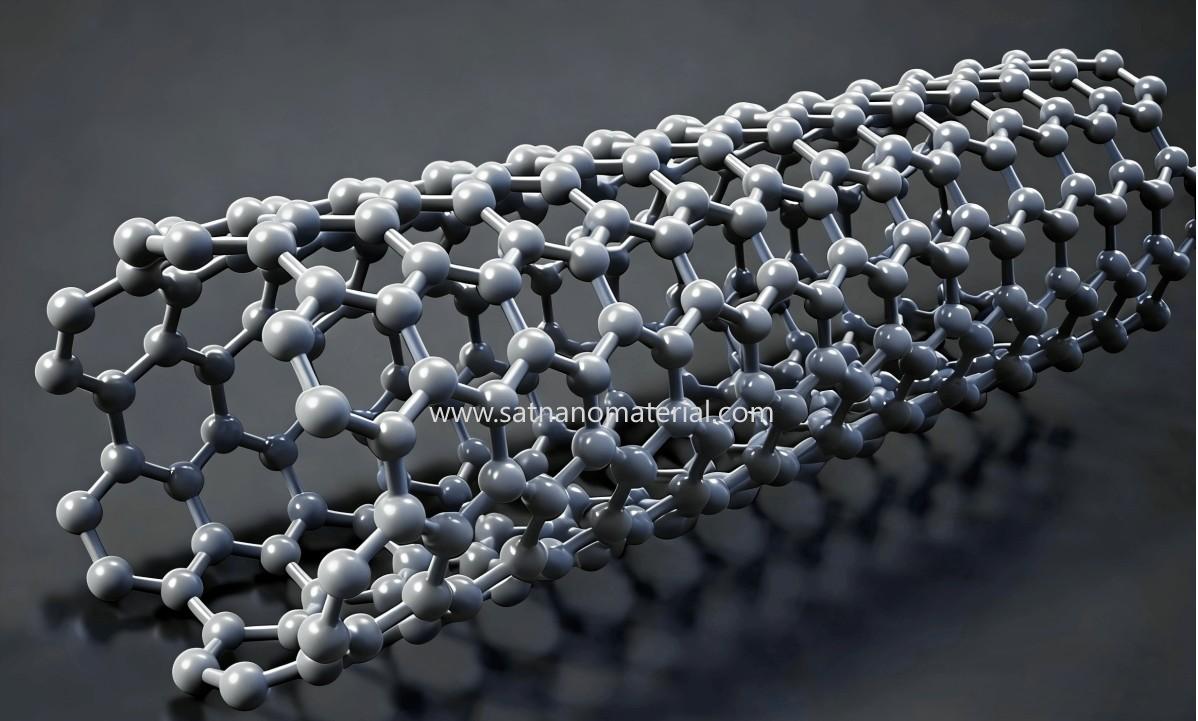
Carbon nanotubes (CNTs), as typical one-dimensional nanomaterials, have shown great potential for applications in various fields such as energy storage, composite materials, biomedical, electronic devices, etc. due to their excellent mechanical properties (100 times higher than steel), outstanding conductivity, excellent thermal properties, and unique optical properties. However, the strong van der Waals forces (~500 eV/µ m) and high aspect ratios (>1000) between CNTs make them prone to forming strong aggregates, severely limiting their excellent performance and practical applications. Therefore, achieving uniform and stable dispersion of CNTs in solvents or polymer matrices is a key prerequisite for unlocking their nanoscale properties and promoting their large-scale applications. The aggregation of CNTs is mainly due to their large specific surface area, strong van der Waals forces between tube walls, and π - π stacking interactions between delocalized π electron clouds formed by sp2 hybridized carbon atoms. This agglomeration not only reduces the specific surface area, but also hinders the formation of continuous conductive or reinforcing networks in the matrix. So far, two main methods have been developed for the dispersion of CNTs, namely covalent functionalization and non covalent functionalization. Covalent functionalization can significantly improve the dispersibility of CNTs by grafting soluble functional groups or hydrophilic chains onto them; Non covalent functionalization is achieved by adsorbing onto the sidewalls of CNTs through non covalent interactions (including van der Waals forces, hydrogen bonds, hydrophobic interactions, and electrostatic attraction, etc.) using added dispersants.

carbon nanotube powder


Covalent modification of dispersed carbon nanotubes

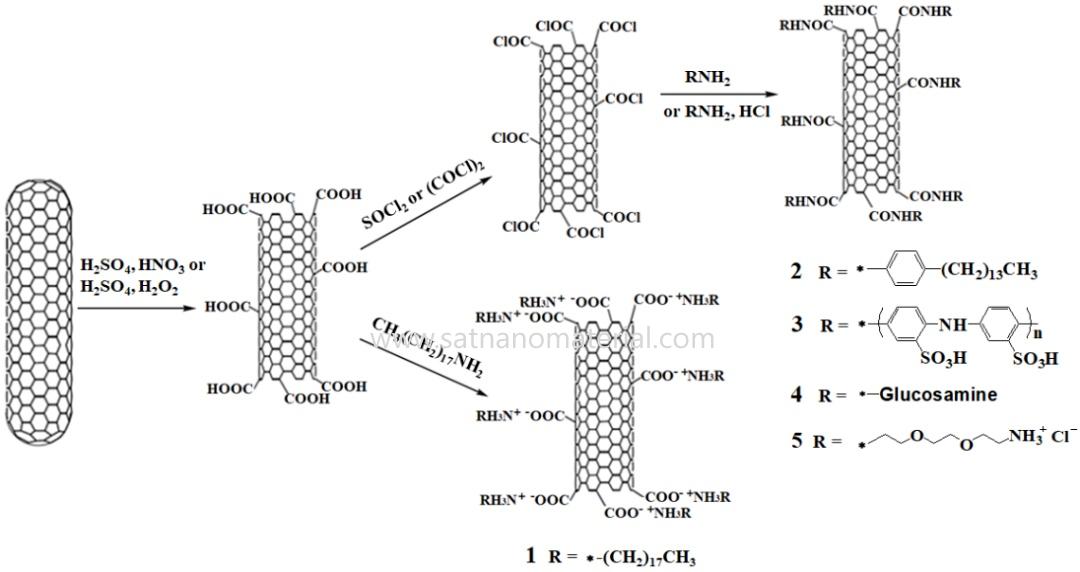
Currently, two methods have been developed for the indirect and direct chemical functionalization of CNTs sidewalls. The indirect method is usually to generate active sites on the surface of CNTs through chemical reactions. One of the most typical examples is to use strong acids to oxidize CNTs to generate oxygen-containing functional groups on their surface, such as - COOH, - CHO, and - OH. To further enhance the dispersibility of CNTs, further amination or acylation reactions can be performed to modify the sidewalls of CNTs. As shown in Figure 1, oxidized CNTs are directly coupled with octadecylamine (CH3 (CH2) 17NH2) through acid-base reactions to form zwitterions, or react with thionyl chloride (SOCl2) or oxalyl chloride ((COCl) 2) to form acyl chloride intermediates, which are then acylated with 4-tetradecylaniline (CH3 (CH2) 13C6H4NH2). After the reaction, the long alkyl chains attached to the surface of CNTs act as solubilizers, endowing them with good dispersibility in most organic solvents.

By grafting different types of long-chain alkyl groups, the dispersibility of CNTs in various solvents can be effectively regulated to meet different functional requirements. For example, grafting with water-soluble polymer poly (aminobenzenesulfonic acid) (PABS) can effectively improve the dispersibility of single-walled carbon nanotubes (SWCNTs) in aqueous solution, and the resulting SWCNT-PABS exhibits much higher conductivity than pure PABS. Functionalized CNTs with good dispersibility (0.1-0.3 mg/mL) were obtained by grafting glucosamine (C6H13NO5) onto activated CNTs with acyl chloride. By treating multi walled carbon nanotubes (MWCNTs) with strong acid (H2SO2/HNO2) and then grafting amino triethylene glycol chains to introduce positive charges, well dispersed functionalized MWCNTs can be obtained.

carbon nanotube powder

Figure 1 Covalent functionalization of CNTs through amidation reaction


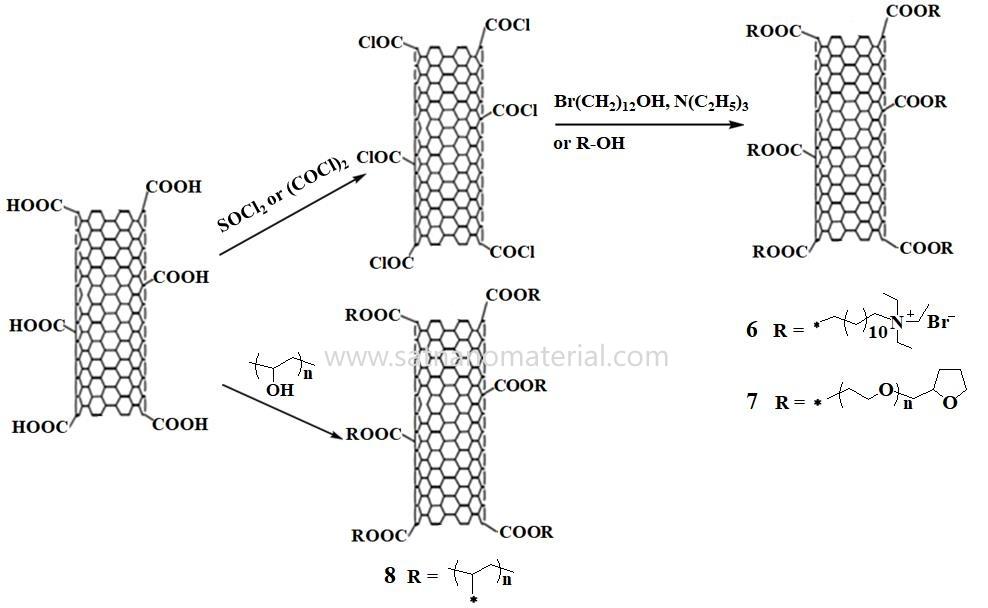
Esterification reaction is another effective method for covalent functionalization of CNTs (Figure 2). The SWCNTs functionalized with dodecyl quaternary ammonium bromide synthesized through esterification reaction (6 in Figure 2) exhibit good water dispersibility in the pH range of 6.87-11.25 and are used as fillers in polyvinyl alcohol (PVA) based composites. In addition, polymer segments such as polyethylene glycol (7 in Figure 2), PVA (8 in Figure 2), DNA, and proteins are covalently attached to the surface of CNTs through esterification or amidation reactions to pursue dispersibility in aqueous solutions.

carbon nanotube powder

Figure 2: Covalent functionalization of CNTs through lipidation reaction.


The condensation reaction between hydroxyl and silmethoxy groups has also been used for the chemical functionalization of CNTs. The reaction between hydroxylated CNTs and conductive carbon black grafted with poly (3-trimethoxysilylpropyl methacrylate) (CCB-PMPS) resulted in CNTs based hybrid fillers with good dispersibility in tetrahydrofuran (THF).
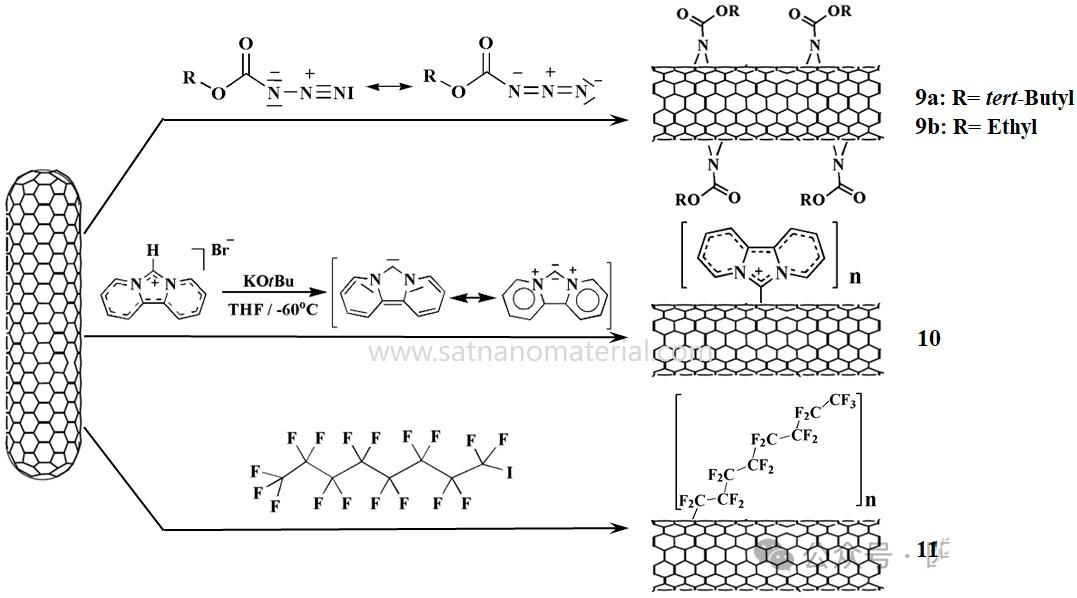
In addition to the indirect modification methods mentioned above, the direct functionalization of CNTs sidewalls has also been widely studied. CNTs can react with nitrogen alkenes, carbenes, imine ylides, or free radicals (or cycloaddition). Compared with indirect functionalization, direct functionalization can avoid the damage of strong acids or oxidation processes to CNTs, and prevent the shortening of CNT length. The following figure shows a schematic diagram of the direct functionalization of SWCNTs sidewalls. SWCNTs undergo addition reactions with nitrogen alkenes, nucleophilic carbenes, and perfluoroalkyl groups, respectively. It was found that the derived SWCNTs obtained by reacting with alkyl azide ester and bipyridine imidazolidine exhibited good dispersibility in dimethyl sulfoxide (DMSO). SWCNTs react with nitrogen-containing compounds with more complex substituents such as aryl, dendritic macromolecules, long alkyl chains, and oligopolyethylene glycol units, and exhibit good dispersibility in various organic solvents including 1,1,2,2-tetrachloroethane (TCE), DMSO, and 1,2-dichlorobenzene (1,2-DCB).
carbon nanotube powder

Figure 3 functionalizes the sidewalls of CNTs through the addition of nitrogen alkenes, nucleophilic carbenes, and free radicals.


The 1,3-dipolar cycloaddition of nitrogen-containing methyl alkali ylides generated by thermal condensation of alpha amino acids and aldehydes has been proven to be an effective method for functionalizing CNTs. Phenol groups can be grafted onto the surface of SWCNTs through 1,3-dipolar cycloaddition, achieving stable dispersion in polar solvents. By using aldehydes and modified glycine for grafting, products that can be dispersed in solvents such as CHCl3, CH2Cl2, acetone, methanol, ethanol, and water can be obtained. In addition, CNTs were functionalized with amine functionalized and water dispersible derivatives by reacting 1,3-dipolar cycloaddition with N-functionalized glycine with amino end groups protected by tert butoxycarbonyl (Boc) (Figure 4: CNT functionalization based on 1,3-dipolar cycloaddition reaction on CNT sidewalls). ). This process was subsequently used to prepare CNTs modified with amino acids and peptides for application in the biomedical field


The technical sharing of covalent modification and dispersion of carbon nanotubes above is completed by DANA, a technician at SAT NANO, through the dispersion of SAT NANO's carbon nanotube powder. I hope the above technical sharing will be helpful for customers to disperse covalently modified dispersed carbon nanotubes. Our technician DANA will introduce the dispersion technology of non covalent modified dispersed carbon nanotubes in the next article.


SAT NANO is a best supplier of carbon nanotube powder in China, if you have any enquiry, please feel free to contact us at admin@satnano.com

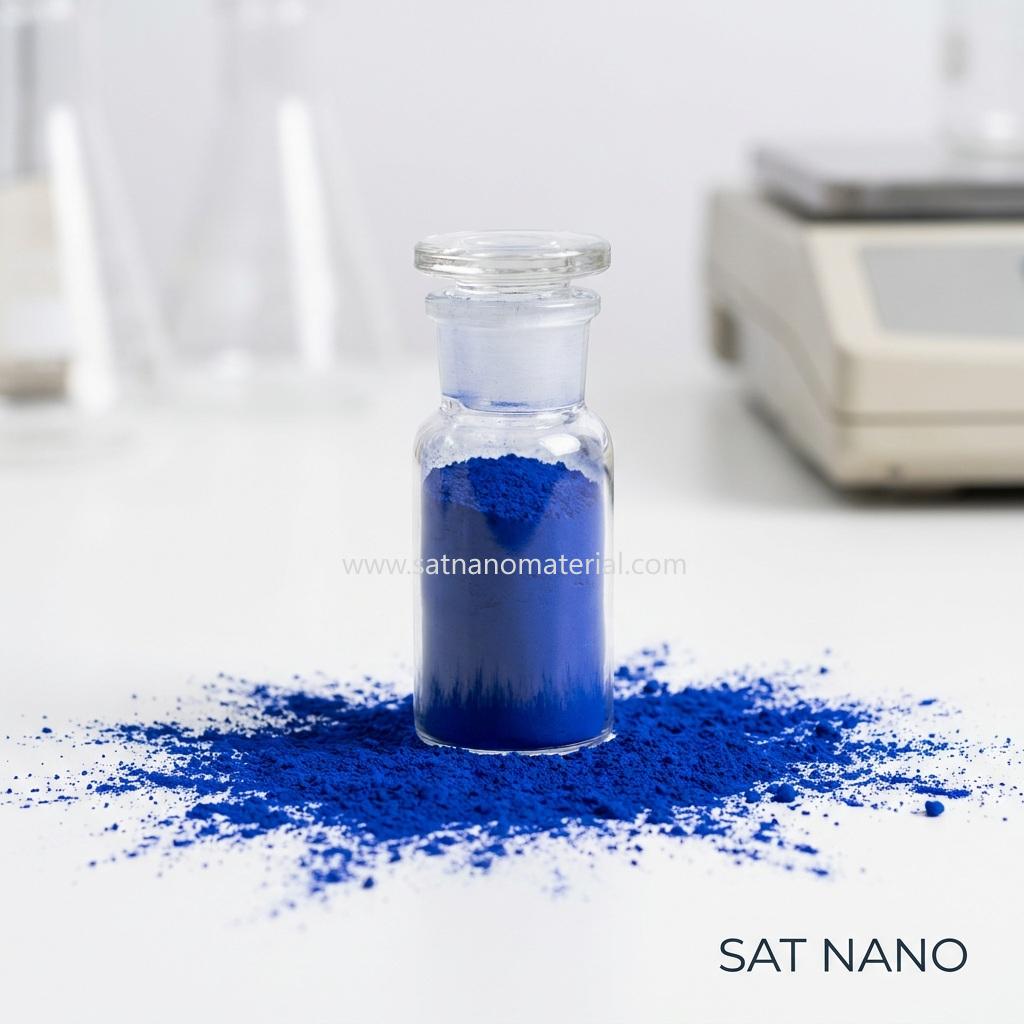
Cobalt Blue powder

is a deep blue inorganic pigment with excellent properties, which has a wide range of applications in industry, art, and scientific research. Here is a detailed introduction about it:

cobalt blue powder

1. Chemical composition

Chemical name: Cobalt Aluminate.
Chemical formula: CoAl2O4

Crystal structure: It has a stable spinel structure, which allows it to maintain extremely high stability under extreme physical and chemical conditions.

2. Core Features

Excellent heat resistance: It is one of the most heat-resistant pigments known, capable of withstanding high temperatures of up to 1200 ° C without color change or decomposition. Therefore, it is the preferred coloring agent for the ceramic and glass industries.
Excellent weather resistance: It has strong resistance to ultraviolet rays, acids, alkalis, solvents, and atmospheric corrosion, and will not fade or become brittle due to long-term sun exposure.
Environmentally friendly: Unlike some pigments containing cadmium or lead, cobalt blue has very stable properties after curing and is considered a relatively environmentally friendly inorganic pigment.
Excellent covering and coloring power: Its color tone is deep, pure, and has a unique luster.

3. Synthesis process: How is it manufactured?

The performance of cobalt blue powder greatly depends on its synthesis method, especially for nanoscale products like SAT NANO:

Traditional Solid state method: Cobalt oxide and aluminum oxide are calcined for a long time at 1100 ° C-1300 ° C. The powder crystals produced by this method are intact, but the particle size is relatively large (usually in the micrometer range) and the transparency is low.
Sol gel method: the precursor solution is mixed at the molecular level and formed at a lower temperature (600 ° C -800 ° C). This process can produce cobalt blue at the nanometer level (<100nm), with extremely high specific surface area and transparency, commonly used in high-end automotive paints and inkjet inks.
Hydrothermal synthesis method: generated in a closed high-pressure reactor. This method can precisely control the morphology of the powder (such as spherical or rod-shaped), giving it special activity in certain catalytic applications.

Regarding nanoscale cobalt blue (powder), the following sets of core experimental data are usually focused on in industrial research and academic studies. These data not only demonstrate its material properties, but also directly guide its application in coatings and ceramics.

The following is a summary of experimental data based on SAT NANO nanoscale cobalt blue products:


1. Basic Physicochemical Properties

These parameters define the quality and dispersibility of the nanopowder.


Parameter
Typical Value (Nano-grade)
Test Method
Average Particle Size (D50)
30 - 50 nm
DLS / TEM
BET Specific Surface Area
45 - 65 m2/gm2/g
N2 Adsorption
Crystal Structure
Spinel Phase
XRD (X-Ray Diffraction
Density
4.3 - 4.5 g/cm3g/cm3
Pycnometer
pH Value
6.5 - 7.5
10% Aqueous Suspension
Oil Absorption
20 - 30 g/100g
ASTM D281

2. Thermal Stability Data (For Ceramics)

This test simulates the high-temperature firing process in ceramic glazes.

  • TGA (Thermogravimetric Analysis): Mass loss is < 0.5% up to 1000°C, indicating extreme structural stability and no volatile components.
  • Color Stability (ΔEΔE Color Difference):
    • At 800°C vs. 25°C: ΔE<0.8ΔE<0.8
    • At 1200°C vs. 25°C: ΔE<1.5ΔE<1.5
  • Conclusion: The color remains consistent and vibrant even at extreme temperatures, making it the industry standard for "underglaze blue" and high-fire ceramics.


3. Weathering and Lightfastness (For Coatings)

This evaluates the coating's resistance to long-term outdoor exposure.

  • QUV Accelerated Weathering Test:
    • Condition: 1000 hours of UV-B irradiation (simulating 5-10 years of outdoor exposure).
    • Gloss Retention: > 95%
    • Color Change (ΔEΔE): 0.2 - 0.5 (In comparison, organic blue pigments typically show a ΔEΔE of 3.0 or higher).
  • Chemical Resistance:
    • 5% HCl immersion (48h): Grade 5 (No change)
    • 5% NaOH immersion (48h): Grade 5 (No change)
  • Conclusion: Cobalt Blue is virtually impervious to acid rain, alkaline detergents, and intense UV radiation.

cobalt blue powder

4. Optical and Colorimetric Performance

Comparing Nano Cobalt Blue with traditional micron-sized powders.

  • Reflectance Spectrum: Exhibits a strong reflectance peak at 450nm - 480nm (Blue region) with reflectance > 85%.
  • Tinting Strength: Nano-grade powder provides 30% - 50% higher tinting strength than micron-sized alternatives. This allows for lower pigment loading while achieving the same color intensity.
  • Haze & Transparency: In a 1% loading clear coat, nano cobalt blue maintains high transparency and low haze, ideal for "Deep-Sea Blue" metallic car paints.

SAT NANO is a best supplier of cobalt blue powder in China, we can supply 50nm, 100nm, 300-500nm particle size, if you have any enquiry, please feel free to contact us at admin@satnano.com



SAT NANO is a best supplier of ZnO nanoparticle and TiO2 nanoparticle in China. They are used on antibacterial materials. Nano zinc oxide (ZnO NPs) and nano titanium dioxide (TiO ₂ NPs) are currently widely studied and applied broad-spectrum antibacterial materials. They mainly exert antibacterial effects through mechanisms such as photocatalytic production of reactive oxygen species (ROS), release of metal ions, and direct contact damage to bacterial structures. However, there are some key differences in the antibacterial properties and mode of action between the two.


Comparison of antibacterial mechanisms


antibacterial mechanism

Zno Nanoparticle TiO2 nanoparticle
Metal ion release
Can release zinc ions (Zn ² ⁺), penetrate the cell membrane and interact with intracellular substances, disrupting bacterial metabolism
Almost independent of this mechanism
Reactive oxygen species (ROS) generation
It is generated under light (including ultraviolet and partial visible light), but its important characteristic is the ability to produce reactive oxygen species even in the dark
It is the main antibacterial mechanism, but highly dependent on UV excitation. In low light or dark environments, this mechanism is almost ineffective
Direct contact damage
Nanoparticles can adsorb onto bacterial surfaces and disrupt the integrity of cell walls and membranes through electrostatic interactions, mechanical damage, and other means
This mechanism is relatively weak, and the antibacterial effect relies more on the strong oxidizing substances produced by photocatalysis.


Comparison of antibacterial efficacy

From the perspective of direct antibacterial effects, multiple studies have shown that nano zinc oxide is usually superior to nano titanium dioxide.

1.Minimum inhibitory concentration (MIC) comparison: A comparative study conducted in 2023 determined the MIC of two nanomaterials against different bacteria. The lower the value, the stronger the antibacterial ability. The results showed that the MIC values of nano zinc oxide on all tested strains were significantly lower than those of nano titanium dioxide.

2.For Escherichia coli: Nano zinc oxide is 0.01 mg/mL, and nano titanium dioxide is 0.04 mg/mL.

3.For Pseudomonas aeruginosa: nano zinc oxide is 0.015 mg/mL, nano titanium dioxide is 0.08 mg/mL.

4.For Klebsiella pneumoniae: Nano zinc oxide is 0.01 mg/mL, nano titanium dioxide is 0.07 mg/mL.

5.Comparison of inhibition zone size: At the same concentration (1.4 mg/mL), the inhibition zone diameter of nano zinc oxide against Klebsiella pneumoniae reached 25mm, which is also larger than 20mm of nano titanium dioxide.

6.Practical application verification: In the study of applying nanomaterials to polyethylene water supply pipes, it was also found that the antibacterial system of nano zinc oxide and nano silver was more effective than that of nano titanium dioxide system.


Influencing factors
The antibacterial effects of both are influenced by the following factors:

1.Particle size: The smaller the particle size, the larger the specific surface area, and the stronger the antibacterial activity. For example, 15nm zinc oxide has higher antibacterial performance than 30nm zinc oxide.

2.Particle concentration: Within a certain range, the antibacterial effect is positively correlated with concentration.

3.Environmental conditions: For titanium dioxide that relies on photocatalysis, lighting conditions (especially ultraviolet light intensity) are the determining factor. Although zinc oxide is also affected by light, it can still maintain antibacterial activity in the dark through mechanisms such as ion release.

4.Bacterial types: Different bacteria (Gram positive and Gram negative) have different cell wall structures and varying sensitivities to nanomaterials


Overall, the antibacterial performance of nano zinc oxide is superior to that of nano titanium dioxide, mainly reflected in the following aspects:

1.he antibacterial mechanism is more comprehensive: Nano zinc oxide combines three mechanisms: "ion toxicity", "photocatalysis", and "contact killing", making it effective under different light conditions and applicable to a wider range of scenarios.

2.Intrinsic antibacterial activity is stronger: By comparing key indicators such as minimum inhibitory concentration (MIC), nano zinc oxide can effectively inhibit the growth of various bacteria at lower concentrations.

3.Safety: Studies have shown that at specific concentrations, nano zinc oxide exhibits lower cytotoxicity than nano titanium dioxide.


We can supply ZnO nanopowder 10-20nm, 20-30nm, 50nm, 100nm and TiO2 nanopowder 5nm, 20-30nm, 30-50nm, 100nm,we also can supply their dispersion. if you have any enquiry of them, please contact us at admin@satnano.com
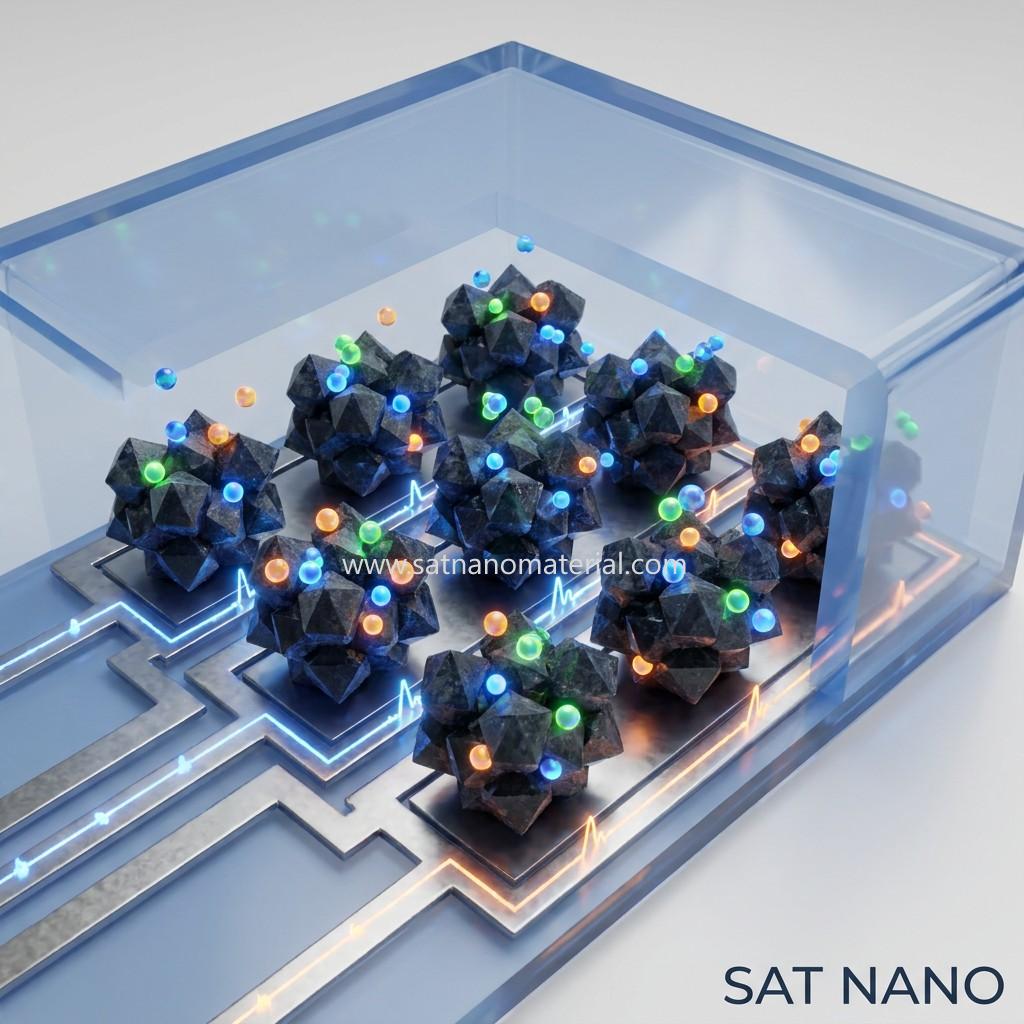
The preparation of nanopowders is generally categorized into Physical Methods and Chemical Methods. Below is a detailed comparison list highlighting their characteristics:

Comparison Table: Physical vs. Chemical Synthesis of Nanopowders

Feature
Physical Methods (Top-down)
Chemical Methods (Bottom-up)
Basic Principle
Top-down: Bulk materials are broken down into nanoparticles using physical energy (mechanical, thermal, etc.).
Bottom-up: Atoms, molecules, or ions are assembled into nanoparticles through chemical reactions.
Typical Techniques
Mechanical ball milling, Thermal/Vacuum evaporation, Laser ablation, Plasma processing, Sputtering.
Sol-gel process, Hydrothermal/Solvothermal synthesis, Chemical precipitation, Microemulsion, CVD.
Particle Size Control
Difficult to achieve precise control. Usually results in a broad size distribution.
Highly precise. Size and morphology can be tuned by adjusting reaction time, pH, and surfactants.
Purity & Homogeneity
High risk of contamination from grinding media (in milling). Physical vapor methods yield high purity.
High chemical homogeneity at the molecular level. However, precursors or by-products may remain as impurities.
Morphology (Shape)
Particles are often irregular or random in shape.
Highly customizable (spheres, rods, tubes, sheets, etc.) by controlling growth kinetics.
Cost
High equipment cost (e.g., lasers, vacuum systems), but uses cheaper raw bulk materials.
Low equipment cost (for solution-based methods), but high cost for pure precursors and solvents.
Scalability
Methods like ball milling are very easy to scale for industrial mass production.
Scaling up is challenging because maintaining uniform reaction conditions (heat/stirring) is difficult in large volumes.
Dispersity
Particles tend to agglomerate physically; low surface activity during processing.
Better dispersion can be achieved by adding capping agents or surfactants during the reaction.
Environmental Impact
Generally "Greener" (solvent-free), but highly energy-intensive and noisy.
Significant environmental footprint due to the use of organic solvents, acids, and toxic chemical waste.

In addition, a mixed preparation method that combines the two can also be used.


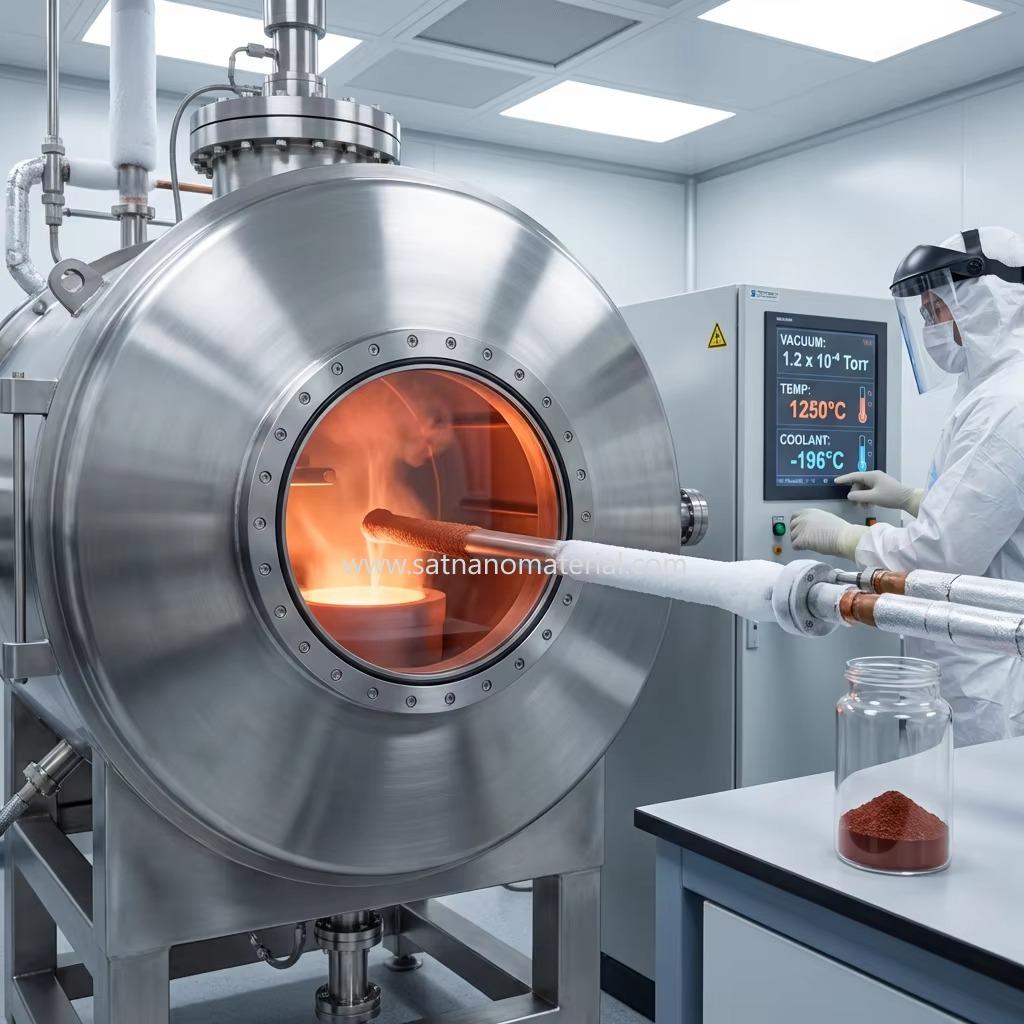
(1) Evaporation condensation method under inert gas

Generally, it is formed by particles with clean surfaces and particle sizes between 1-100 nm under high pressure, which is also necessary for the sintering process of nanoceramics. Various nano solid materials have been successfully synthesized both domestically and internationally using techniques such as inert gas evaporation, including metals and alloys, ceramics, amorphous ionic crystals, and semiconductors.

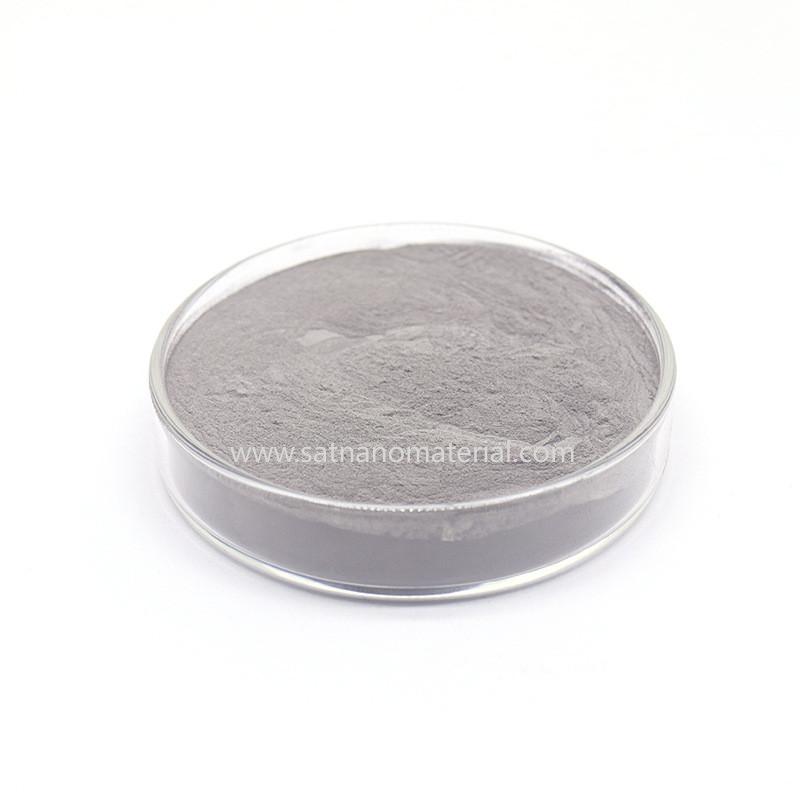
Yan Hongge et al. studied the changes in metal evaporation rate, yield, particle size, and morphology of ultrafine powders by changing the evaporation process parameters. They designed and researched a preparation device for ultrafine powders, which melted and evaporated the metal in the crucible under Ar gas pressure of 50-1000 Pa using medium frequency induction heating, and captured the powder through a water-cooled solenoid, ultimately obtaining fine copper powder of 180-560 nm.
copper powder
(2) Hydrothermal method

The hydrothermal method is generally used to synthesize nanoparticles in fluid systems such as aqueous solutions or steam under high temperature and high pressure conditions, followed by separation, heat treatment, and other operations. The hydrothermal method is a simple, economical, pollution-free, and energy-saving process suitable for industrial production.

Liang et al. synthesized an amphiphilic molybdenum disulfide nanosheet (KH550-MoS2) by hydrothermal method. The ultra-low concentration of KH550-MoS ₂ nanofluid reduced the IFT to 2.6 mN/m, changed its contact angle from 131.2 ° to 51.7 °, and significantly improved the stability of lotion. Through core displacement experiments, the ultra-low concentration KH550-MoS2 nanofluid can increase oil displacement efficiency by 14% after water flooding.
MOS2 powder
(3) Complex decomposition method

The double decomposition method refers to the method of preparing nanoparticles by reacting easily soluble metal ion salts (such as CaCl2, MgCl2, etc.) with easily soluble salts (such as NH4HCO ∝ or Na2CO ∝, etc.) under appropriate process conditions, at a certain temperature, pH value, and other reaction conditions. In the reaction, by regulating the concentration of reactants, the supersaturation of nanoparticles, and studying factors such as the concentration and type of crystal control agents, nanoparticles with different sizes, concentrated distributions, and diverse morphologies can be obtained.

In recent decades, a large number of scholars have adopted the method of complex decomposition to prepare various methods for preparing nano calcium carbonate. The particle size distribution of nano calcium carbonate particles prepared by the double decomposition method is generally around 20-100 nm. Zhao Lina used the precipitation reaction method of soluble salts and polyacrylic acid as a crystal control agent to prepare butterfly shaped aragonite shaped calcium carbonate particles with special morphology by controlling factors such as temperature and pH value.

(4) Microemulsion method

Two immiscible solvents form lotion under the action of surfactant and precipitate solid nanoparticles from lotion. Chen Liping et al. used the three components of CTAB/cyclohexanol/corresponding salt aqueous solution to form three typical microemulsion systems, namely, O/W, W/O and oil-water continuous two-phase systems. The results indicate that in the W/O system, the nucleation and growth range of BaSOx crystals are limited to water nuclei of fixed size, resulting in 15 nm cubic or rectangular particles; In the oil-water continuous biphasic system, oil-water forms a network structure, resulting in particles with a size of about 700 nm. As the salt concentration gradually increases, the shape of the particles begins to shift from "fishbone spines" to flower shapes; In the O/W system, the particle size is approximately 1 μ m, and as the salt concentration increases, the particle size increases and the morphology changes from flower shaped to "fishbone spine". Different micro lotion systems have different effects on the size and morphology of BaSO ₄ particles.

Ding Yang and others can not only obtain environmentally friendly microemulsion system, but also improve the dispersion of dispersed phase in the microemulsion system by changing the type of cosurfactant, which not only effectively inhibits the growth of CaCO3 particles, but also controls the growth direction of CaCO3 particles, and has a regulatory effect on the size of nano-CaCO3particles.

SAT NANO is a best supplier of nanopowder in China, we can offer metal powder, alloy powder, carbide powder and oxide powder, if you have any enquiry, please feel free to contact us at admin@satnano.com

FeNi50 metal powder is a medium to high nickel iron-based alloy powder based on the iron nickel binary system with a nickel content of about 50 wt.%. Its typical characteristics include stable austenite structure, excellent thermal expansion matching ability, good toughness, and adjustable magnetic properties. In the material system, FeNi50 is between low nickel structural alloys and high nickel Invar/soft magnetic alloys, and is commonly used in scenarios with high requirements for dimensional stability, thermal cycling reliability, and microstructure stability.

FeNi50 metal powder

What is its chemical composition?


Typical chemical composition (wt.%):
Ni:48.0–52.0%
Fe: Excess
C. S, O, N: Strictly controlled (usually ≤ 0.02%)
The core of composition design is that after the nickel content reaches about 50%, the alloy maintains a stable single austenite phase in the range of room temperature to medium high temperature; Fe Ni atomic sizes are close, forming a continuous solid solution with uniform solid solution strengthening and low risk of structural segregation; Low impurity control significantly improves the microstructure consistency of powders during sintering, cladding, and additive manufacturing processes;


What are its powder characteristics?


Powder morphology: high sphericity, smooth surface, low proportion of satellite powder
Particle size distribution: 15-53 μ m/20-63 μ m (customizable)
Loose density: 4.5-5.0 g/cm ³
Liquidity: ≤ 15 s/50 g (Hall Flow)
Oxygen content: usually ≤ 0.05 wt.%
Good sphericity and low oxygen content enable FeNi50 powder to exhibit stable powder spreading and forming behavior in processes such as laser melting, plasma spraying, and hot isostatic pressing.

What are its mechanical and physical properties?


Typical performance range (related to process status):
Tensile strength: 550-750 MPa
Yield strength: 220-350 MPa
Elongation rate: 30-45%
Hardness: 150-220 HV
Thermal expansion coefficient (20-400 ℃): approximately 9.5-11.0 × 10 ⁻⁶/K
Magnetism: It can manifest as weak or low magnetic states (related to heat treatment). Overall, FeNi50 does not pursue ultimate strength, but emphasizes high plasticity, dimensional stability, and service reliability.


Which fields can it be applied in?

1.Electronic and precision device structural components (thermal expansion matching parts)
2.Intermediate transition layer of composite materials
3.Precision molds and functional structural components
4.Magnetic shielding or adjustable magnetic components
5.Aerospace thermal stability structural components, especially
6.It is suitable for use in working conditions with frequent temperature changes and strict dimensional tolerance requirements.

FeNi50 metal powder is an iron nickel alloy powder material with balanced performance, wide process window, and outstanding structural stability. It provides excellent thermal stability, processing reliability, and long-term service safety without pursuing extreme indicators. It is an important transitional alloy system for connecting structural materials and functional materials. SAT NANO always adheres to promoting industry development through technological innovation and is committed to providing better products and services to global customers. Follow us for more cutting-edge material technology and industrial application solutions!


SAT NANO is a best supplier of Nickel Iron alloy powder in China, we can supply nanoparticle 100nm, and micro particle 1-10um, if you have any enquiry, please feel free to contact us at admin@satnano.com
keyboard_arrow_up