dyyseo
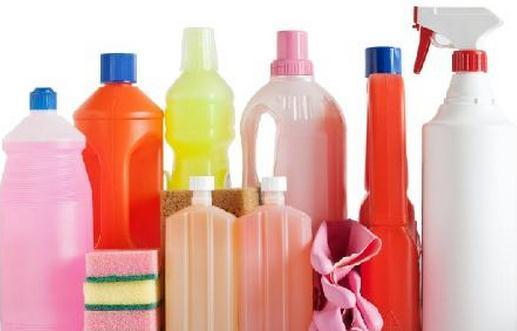
In the modern laundry and dishwashing industry, the demand for high-efficiency cleaning at lower temperatures has never been higher. At the heart of this "cold-water revolution" is Tetraacetylethylenediamine (TAED), the premier bleach activator. For a chemical trading firm like Bewellchem, understanding the molecular backbone of these products is vital. To produce high-quality TAED, one specific chemical intermediate stands above the rest: Ethylenediamine (EDA).


The Chemistry of Clean: How TAED Works

Most modern detergents rely on sodium percabonate or perborate as bleaching agents. However, these oxygen-based bleaches typically require water temperatures above 60°C to release active oxygen effectively. This is where TAED synthesis becomes critical. TAED reacts with hydrogen peroxide in the wash water to form peracetic acid, a powerful oxidizing agent that works efficiently at temperatures as low as 20°C to 40°C.


Ethylenediamine: The Indispensable Backbone

Why is EDA the preferred choice among detergent industry chemicals for this process? The answer lies in its structure. As one of the most versatile reactive diamines, Ethylenediamine provides the necessary two-carbon bridge and two nitrogen docking sites required to build the TAED molecule.


The production process generally involves a two-stage acetylation:

1.  Amidation: EDA reacts with acetic acid or acetic anhydride to form DAED (Diacetylethylenediamine).

2.  Final Acetylation: Further reaction with acetic anhydride transforms DAED into TAED.

Without the high purity of an ethylenediamine detergent precursor, the resulting bleach activator would lack the stability and reactivity needed for commercial shelf life.


Key Advantages of EDA-Based Synthesis

As a leading supplier, Bewellchem recognizes that the quality of bleach activator raw materials directly dictates the performance of the final consumer product. Using EDA as the primary building block offers several industrial advantages:

 Structural Precision: The short carbon chain of EDA ensures the TAED molecule remains compact and highly soluble.

 High Yield: EDA is one of the most efficient chemical intermediates, allowing for a streamlined manufacturing process with minimal by-products.

 Cost-Effectiveness: Despite being a specialized amine, its widespread use across various industries keeps the supply chain for detergent manufacturers stable and scalable.


Environmental Impact and Sustainability

The shift toward EDA-derived TAED is also a win for the environment. By enabling effective bleaching at lower temperatures, these chemicals significantly reduce household energy consumption. Furthermore, TAED is readily biodegradable, breaking down into eco-friendly components that do not linger in aquatic ecosystems.


Partner with Bewellchem for Premium Raw Materials

At Bewellchem, we bridge the gap between complex chemical synthesis and market-ready solutions. We provide high-purity Ethylenediamine and other essential precursors to ensure your TAED production meets global standards for whiteness, hygiene, and fabric care.


By choosing the right reactive diamines, manufacturers can guarantee that their detergents don't just clean—they innovate. Explore our catalog today to find the reliable chemical foundations your brand deserves.
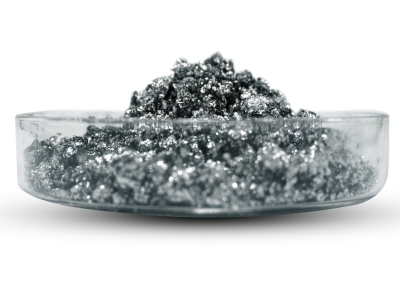
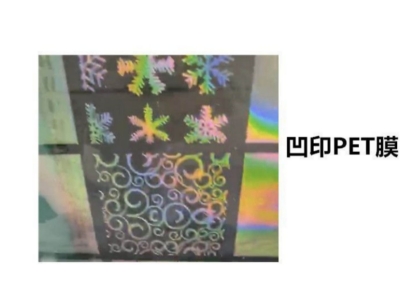
 

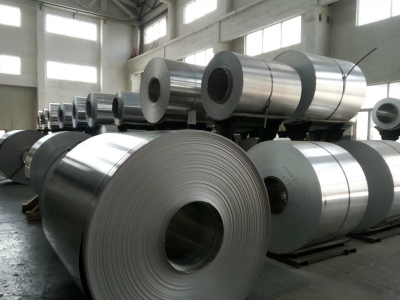
Ⅰ.sparkling aluminum paste: sparkling aluminum paste with different flashing effects in the particle size range of 14um-75um. Generally, coarse-particle aluminum powder is used for production, and the solvent is high flash point aromatic 150# or D series dearomatized solvent.

Ⅱ.Features: This series of silver paste has unique flashing, bright and angle-dependent color effects. According to the shape of the scales, the thickness and regularity, the absorption and reflection effects of light are different, and it can be divided into two types: strong flash type and silver dollar type. Flash silver basically follows the product color law of finer white, coarser brighter, better flash point, and stronger metallic feel.

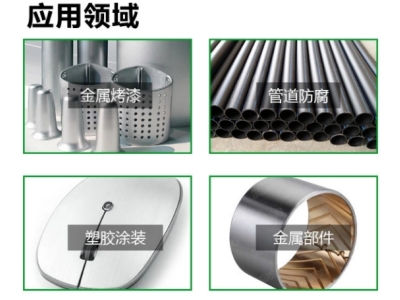
Ⅲ.Application: Mainly used in various metallic flash paints for engineering machinery, power tools, bicycles, motorcycles, automobiles, etc., and can also be used in coatings such as plastics and wood.

Ketone resin

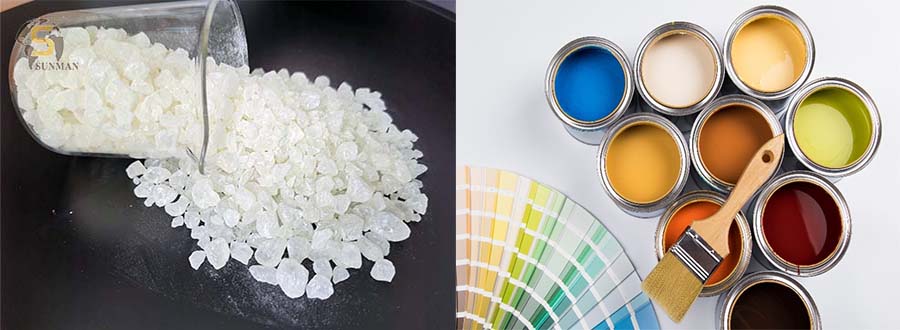
, also known as polyketone resin, ketone resin or ketone-aldehyde resin, is a condensation product of cyclohexanone and formaldehyde containing carbonyl and hydroxyl groups.


It can be used for many industries. Hereby pls check some usages as follows;


Ink

In printing inks such as laminated inks, gravure inks, surface printing inks, flexographic inks, security inks, and ballpoint pen inks, adding ketone resins (2-15% in ink formulations) can improve the wettability, shine, adhesion, printability, solid content, and drying time of pigments.


Ketone resin can solve the problem of poor adhesion of substrates such as PE, PP, PET and PVC, and can also improve the fluidity and adhesion of ball point pen ink. It can also be used in food packaging ink.


Paint and Coating

Ketone resins can be used as co-adhesives for paints, varnishes, printing inks and other inks. Not only do they increase solids content and speed up drying, but they also improve many properties such as hardness, shine and film formation. Increased adhesion on various substrates, coupled with its resistance to hydrolysis, enhances anti-corrosion properties.


In coating formulations, ketone resins can give products high hardness, gloss and flexibility. At the same time can reduce viscosity, reduce pitting corrosion, improve adhesion, leveling and solid content. Suitable for the production of hammer paint, nitrocellurocellulocular paint, such as mechanical paint, wood paint and transparent stable color paint.


Adhesive

It is ideal for making nitrocellulose adhesives that can be used for leather, paper and other similar materials


keyboard_arrow_up