dyyseo

Dielectric materials are electrical insulation materials that can store charges. The dielectric constant is an important performance indicator of dielectric materials, used to measure the response of materials to charge storage capacity in an electric field. The dielectric constant is divided into two types: relative dielectric constant and absolute dielectric constant, among which the relative dielectric constant is commonly used in the study of dielectric materials. There are many commonly used dielectric materials, including:
1. Oxides: nano barium titanate (BaTiO3), nano titanium dioxide (TiO2), alumina (Al2O3), etc;
Example: Barium Titanate (BaTiO3): Barium Titanate is a high-performance and widely used ferroelectric ceramic
Ceramic materials can be used for polymer modification to improve the dielectric constant of materials. It is also widely used in the fields of capacitors, ceramic piezoelectric materials, sensors, etc.
The dielectric constant of epoxy resin is relatively low (about 3-4), and filling epoxy resin with nano BaTiO3 can significantly improve its dielectric constant.
Adding BaTiO3 to epoxy resin resulted in a composite material with a dielectric constant of around 50. The size of filler particles, type and dosage of coupling agent have a significant impact on the dielectric properties.

Example: Titanium Dioxide (TiO2): TiO2 is a widely used material with excellent photocatalytic, optoelectronic, and charge transfer properties. Its high dielectric constant (about 200) makes it widely used in electronic devices, solar cells, and optoelectronic devices.
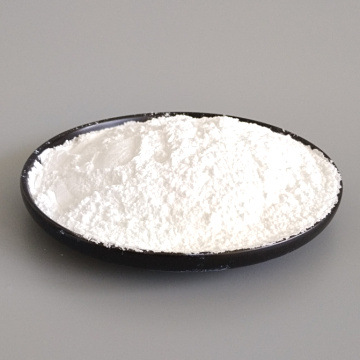
BaTiO3

2. Polymers: polytetrafluoroethylene (PTFE), polypropylene (PP), polyethylene (PE), etc;


3. Ceramics: iron oxide (Fe2O3), strontium silicate (SrTiO3), zirconia (ZrO2), etc. In dielectric materials, the addition of nanoparticles can significantly increase the dielectric constant of the material. Dongguan SAT NANO New Materials Company provides high-quality products such as nano metal powder, oxide powder, carbide powder, alloy powder, etc. The addition of these nano materials can effectively improve the performance of dielectric materials. For example, adding nano barium titanate to epoxy resin can yield a dielectric constant of around 50.

The influence of composite materials, filler particle size, coupling agent type and dosage on dielectric properties is significant. In addition, nano titanium dioxide is also a material with excellent dielectric properties and wide applications, which can be used to prepare high-performance capacitors, sensors and other equipment.
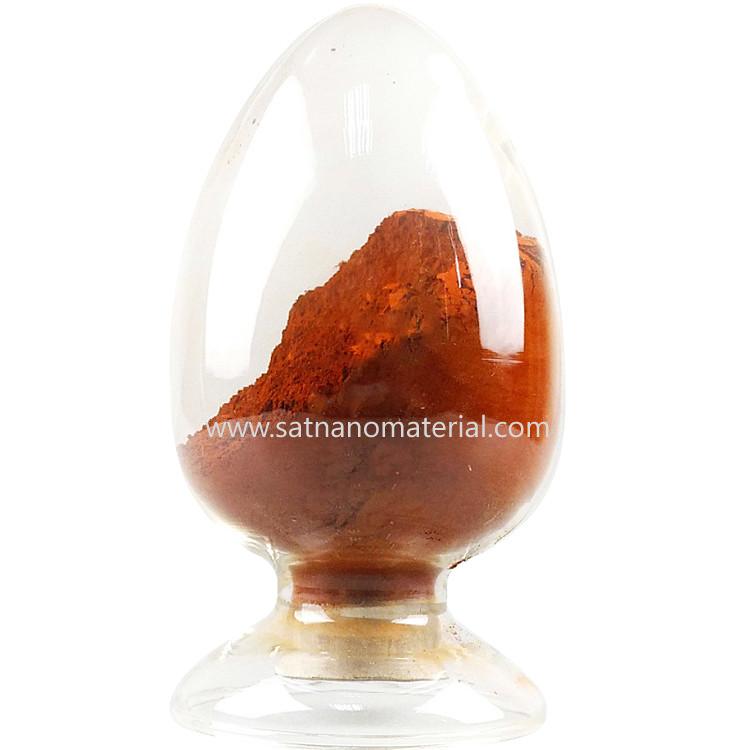
iron oxide powder

In short, there are various types of dielectric materials, and different materials have different dielectric constants and performance characteristics. In practical applications, selection and processing need to be based on specific requirements. And the high-quality nanomaterials provided by Dongguan SAT NANO New Materials Company can provide various
The application of dielectric materials in the industry provides support, providing an effective way to achieve high-performance and low-cost goals.

SAT NANO is a best supplier of ZnO nanoparticle and TiO2 nanoparticle in China. They are used on antibacterial materials. Nano zinc oxide (ZnO NPs) and nano titanium dioxide (TiO ₂ NPs) are currently widely studied and applied broad-spectrum antibacterial materials. They mainly exert antibacterial effects through mechanisms such as photocatalytic production of reactive oxygen species (ROS), release of metal ions, and direct contact damage to bacterial structures. However, there are some key differences in the antibacterial properties and mode of action between the two.


Comparison of antibacterial mechanisms


antibacterial mechanism

Zno Nanoparticle TiO2 nanoparticle
Metal ion release
Can release zinc ions (Zn ² ⁺), penetrate the cell membrane and interact with intracellular substances, disrupting bacterial metabolism
Almost independent of this mechanism
Reactive oxygen species (ROS) generation
It is generated under light (including ultraviolet and partial visible light), but its important characteristic is the ability to produce reactive oxygen species even in the dark
It is the main antibacterial mechanism, but highly dependent on UV excitation. In low light or dark environments, this mechanism is almost ineffective
Direct contact damage
Nanoparticles can adsorb onto bacterial surfaces and disrupt the integrity of cell walls and membranes through electrostatic interactions, mechanical damage, and other means
This mechanism is relatively weak, and the antibacterial effect relies more on the strong oxidizing substances produced by photocatalysis.


Comparison of antibacterial efficacy

From the perspective of direct antibacterial effects, multiple studies have shown that nano zinc oxide is usually superior to nano titanium dioxide.

1.Minimum inhibitory concentration (MIC) comparison: A comparative study conducted in 2023 determined the MIC of two nanomaterials against different bacteria. The lower the value, the stronger the antibacterial ability. The results showed that the MIC values of nano zinc oxide on all tested strains were significantly lower than those of nano titanium dioxide.

2.For Escherichia coli: Nano zinc oxide is 0.01 mg/mL, and nano titanium dioxide is 0.04 mg/mL.

3.For Pseudomonas aeruginosa: nano zinc oxide is 0.015 mg/mL, nano titanium dioxide is 0.08 mg/mL.

4.For Klebsiella pneumoniae: Nano zinc oxide is 0.01 mg/mL, nano titanium dioxide is 0.07 mg/mL.

5.Comparison of inhibition zone size: At the same concentration (1.4 mg/mL), the inhibition zone diameter of nano zinc oxide against Klebsiella pneumoniae reached 25mm, which is also larger than 20mm of nano titanium dioxide.

6.Practical application verification: In the study of applying nanomaterials to polyethylene water supply pipes, it was also found that the antibacterial system of nano zinc oxide and nano silver was more effective than that of nano titanium dioxide system.


Influencing factors
The antibacterial effects of both are influenced by the following factors:

1.Particle size: The smaller the particle size, the larger the specific surface area, and the stronger the antibacterial activity. For example, 15nm zinc oxide has higher antibacterial performance than 30nm zinc oxide.

2.Particle concentration: Within a certain range, the antibacterial effect is positively correlated with concentration.

3.Environmental conditions: For titanium dioxide that relies on photocatalysis, lighting conditions (especially ultraviolet light intensity) are the determining factor. Although zinc oxide is also affected by light, it can still maintain antibacterial activity in the dark through mechanisms such as ion release.

4.Bacterial types: Different bacteria (Gram positive and Gram negative) have different cell wall structures and varying sensitivities to nanomaterials


Overall, the antibacterial performance of nano zinc oxide is superior to that of nano titanium dioxide, mainly reflected in the following aspects:

1.he antibacterial mechanism is more comprehensive: Nano zinc oxide combines three mechanisms: "ion toxicity", "photocatalysis", and "contact killing", making it effective under different light conditions and applicable to a wider range of scenarios.

2.Intrinsic antibacterial activity is stronger: By comparing key indicators such as minimum inhibitory concentration (MIC), nano zinc oxide can effectively inhibit the growth of various bacteria at lower concentrations.

3.Safety: Studies have shown that at specific concentrations, nano zinc oxide exhibits lower cytotoxicity than nano titanium dioxide.


We can supply ZnO nanopowder 10-20nm, 20-30nm, 50nm, 100nm and TiO2 nanopowder 5nm, 20-30nm, 30-50nm, 100nm,we also can supply their dispersion. if you have any enquiry of them, please contact us at admin@satnano.com

keyboard_arrow_up