dyyseo

For decades, AEROSIL® 200 has been one of the most recognized hydrophilic fumed silica grades in the global specialty chemicals market. Known for its excellent thickening efficiency, rheology control, and reinforcement performance, it has become a preferred choice across industries such as coatings, adhesives, sealants, silicone rubber, inks, and composites.

However, many manufacturers today are actively looking for cost-effective alternatives to AEROSIL 200 due to rising material costs, longer supply chains, and the need for more flexible sourcing options.

At Zhengzhou Gesee New Materials Co., Ltd., we developed GESEESIL A200 as a high-performance replacement solution designed to match the key characteristics of AEROSIL 200 while offering competitive commercial value.

Why Are Buyers Looking for Alternatives to AEROSIL 200?

While AEROSIL 200 has long set the benchmark for hydrophilic fumed silica, many downstream manufacturers are now facing practical challenges:

  • Increasing procurement costs
  • Supply fluctuations in some regional markets
  • Longer international lead times
  • Limited sourcing flexibility

For formulators, switching to an alternative is not only about price reduction. It is about finding a product that can deliver comparable rheological performance, stable quality, and reliable technical consistency.

That is where GESEESIL A200 offers a practical solution.

What Makes GESEESIL A200 Comparable?

GESEESIL A200 is a hydrophilic fumed silica with a specific surface area of approximately 200 m²/g, engineered to provide performance characteristics similar to AEROSIL 200 in demanding industrial formulations. Typical benchmark values for this class are around 180–220 m²/g BET surface area with high SiO₂ purity and strong dispersibility.

It provides:

  • Excellent thickening efficiency
  • Strong anti-settling performance
  • Effective thixotropic control
  • Good dispersibility in resin systems
  • Reliable reinforcement in silicone elastomers
  • Consistent batch-to-batch stability

These properties make it suitable for direct evaluation in existing formulations with minimal reformulation effort.

Typical Applications

GESEESIL A200 performs well in a wide range of industrial systems, including:

Coatings and Paints

Improves sag resistance, suspension stability, and flow control while enhancing storage stability.

Adhesives and Sealants

Provides viscosity adjustment and anti-slump properties for easier processing and improved application consistency.

Silicone Rubber

Acts as a reinforcing filler to improve tensile strength and mechanical performance.

Printing Inks

Helps control rheology and improves pigment suspension behavior.

Composite and Resin Systems

Enhances structural consistency while reducing filler sedimentation during storage.

Performance Meets Cost Efficiency

For many manufacturers, qualification of a new raw material depends on balancing technical performance with overall production economics.

GESEESIL A200 offers:

  • Competitive pricing compared with premium imported grades
  • Stable export supply
  • Flexible packaging solutions
  • Technical support for product evaluation
  • Faster response and customized cooperation options

This allows manufacturers to optimize production cost without sacrificing product quality.

How to Evaluate a Replacement Successfully

When replacing AEROSIL 200, we recommend evaluating:

  • Viscosity build-up behavior
  • Dispersion efficiency
  • Thixotropic recovery
  • Reinforcement effect
  • Final product appearance
  • Long-term storage stability

Our technical team can provide sample support and application guidance to help customers complete validation efficiently.

Looking for a Reliable AEROSIL 200 Alternative?

If your company is evaluating alternatives to imported fumed silica grades, GESEESIL A200 offers a practical balance of performance, consistency, and cost advantage.

At Zhengzhou Gesee New Materials Co., Ltd., we are committed to supplying high-quality fumed silica solutions for global industrial customers.

Contact us today to request technical data, samples, or application support.


Summer Heat Brings New Challenges

As temperatures continue to rise during the summer months, industries around the world face increasing challenges in managing heat, reducing energy consumption, and maintaining stable production environments.

Whether it is chemical processing, metallurgy, battery manufacturing, or industrial furnaces, excessive heat not only increases operating costs but also reduces equipment efficiency and shortens service life. Choosing the right insulation material has become more important than ever.

Why High-Performance Thermal Insulation Matters

Traditional insulation materials often struggle under extreme temperatures. They may become bulky, lose insulation performance over time, or require greater thickness to achieve the desired thermal resistance.

Advanced thermal insulation materials help companies:

  • Reduce heat loss
  • Lower energy consumption
  • Improve workplace safety
  • Maintain process temperature stability
  • Reduce carbon emissions
  • Extend equipment service life

These benefits are particularly valuable during periods of high ambient temperatures.


The Role of Fumed Silica in Thermal Insulation

Fumed silica is an ultra-fine nanomaterial with an exceptionally high specific surface area and extremely low thermal conductivity.

Thanks to its unique three-dimensional particle network, fumed silica is widely used in:

  • High-performance insulation panels
  • Vacuum insulation panels (VIPs)
  • Industrial furnaces
  • High-temperature pipelines
  • New energy battery thermal management
  • Aerospace thermal insulation

Its outstanding thermal performance allows manufacturers to achieve excellent insulation while reducing material thickness and weight.


Fumed Silica Insulation Boards: Thin Yet Powerful

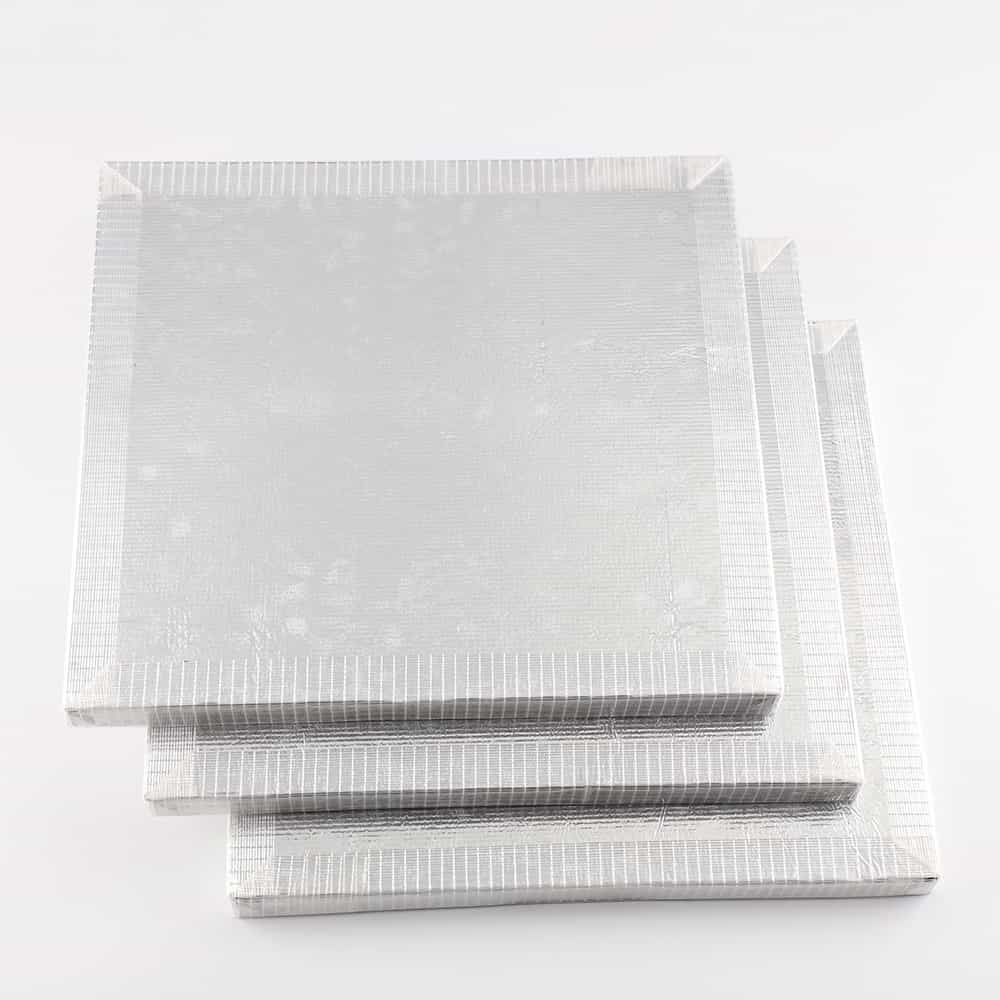
Fumed silica insulation boards combine nanoporous technology with premium fumed silica to deliver excellent thermal insulation performance.

Compared with conventional insulation materials, they offer several advantages:

  • Extremely low thermal conductivity
  • Lightweight construction
  • High compressive strength
  • Excellent fire resistance
  • Stable performance under high temperatures
  • Long service life
  • Space-saving thin design

These features make them suitable for industrial equipment, energy systems, buildings, cold-chain logistics, and other demanding applications.


Beyond Insulation: Fumed Silica for Multiple Industries

In addition to thermal insulation applications, fumed silica is widely used as a multifunctional additive across many industries.

Its excellent thickening, reinforcing, anti-settling, anti-sagging, and rheology-control properties make it an ideal choice for:

  • Silicone rubber
  • Sealants
  • Adhesives
  • Paints and coatings
  • Inks
  • Battery materials
  • Unsaturated polyester resin
  • Composite materials

As industries continue to seek higher performance and improved efficiency, demand for high-quality fumed silica continues to grow worldwide.


Why Choose GESEE?

At Zhengzhou GESEE New Materials Co., Ltd., we are committed to providing reliable, high-quality material solutions for customers around the world.

Our product portfolio includes:

  • Hydrophilic Fumed Silica
  • Hydrophobic Fumed Silica
  • Fumed Silica Thermal Insulation Boards

We support customers with stable quality, professional technical service, competitive pricing, and flexible global supply.

Whether you are looking for raw materials or advanced thermal insulation solutions, GESEE is ready to help your business improve efficiency and reduce energy consumption.


Conclusion

Summer heat is a reminder that effective thermal management is no longer optional—it is essential.

By selecting advanced fumed silica materials and high-performance insulation boards, companies can reduce energy costs, improve operational efficiency, and build more sustainable production systems.

If you are looking for reliable fumed silica products or thermal insulation solutions, feel free to contact Zhengzhou GESEE New Materials Co., Ltd. We are always ready to support your next project.

Introduction

In today’s world where energy conservation and carbon emission control are increasingly valued, thermal insulation materials play a crucial role in both industrial and civil applications. Among a wide range of insulation materials, fumed silica—with its unique nanostructure, ultra-high specific surface area, and exceptional thermal insulation performance—is gradually becoming an indispensable core material in the thermal insulation industry. Moreover, vacuum insulation panels (VIPs) and high-performance insulation boxes made from fumed silica are demonstrating broad application prospects across multiple fields, including cold chain logistics, biopharmaceuticals, and fresh food preservation.


I. The Thermal Insulation Mechanism of Fumed Silica

Fumed silica is an amorphous nano-scale powder material produced through the high-temperature hydrolysis and condensation of silicon halides. Its primary particle size is only 7–40 nm, and its specific surface area can reach as high as 400 m²/g. Its excellent thermal insulation performance mainly stems from the following aspects:

First, the nano-porous structure. Fumed silica particles are connected by hydrogen bonds and van der Waals forces, forming a stable three-dimensional dendritic network structure. A large number of micro- and nano-scale air pores exist within and between the particles. Air itself is a poor conductor of heat, and these tiny pores effectively disrupt the continuity of heat conduction pathways, thereby significantly reducing the material‘s thermal conductivity

Second, the interfacial scattering effect. Numerous interfaces are formed between fumed silica nanoparticles and the base material. These interfaces scatter heat flow, effectively increasing thermal resistance and impeding heat transfer.

Third, infrared radiation blocking. The particle size of fumed silica is close to the wavelength of infrared thermal radiation, enabling strong scattering of infrared photons and blocking heat transfer through radiation. This infrared scattering effect is particularly significant in medium-to-high temperature environments.


II. Vacuum Insulation Panel (VIP): The Star Application of Fumed Silica
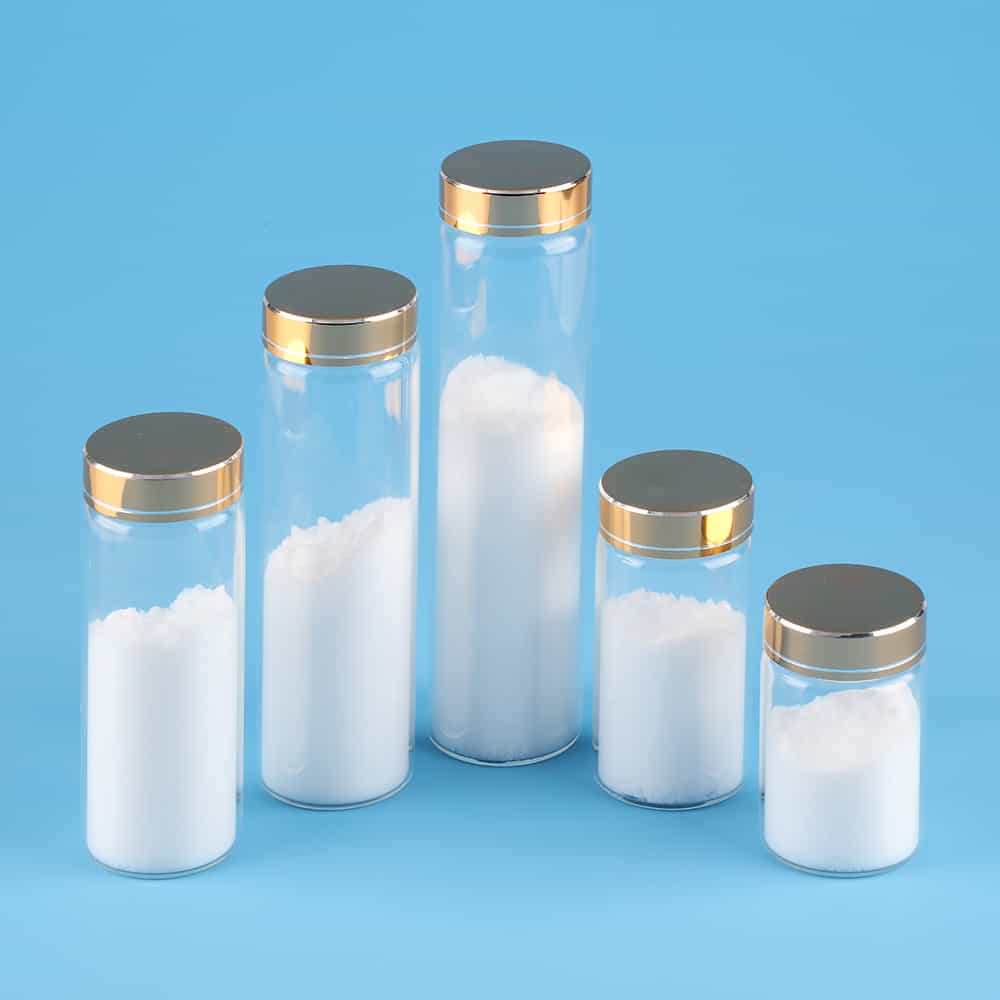
fumed silicaVIP BOARDVIP BOX

Vacuum insulation panel (VIP) is one of the most important application forms of fumed silica in the thermal insulation field. VIP primarily consists of three parts: the core material, the high-barrier envelope, and the getter. The choice of core material is the key factor determining VIP performance. Compared to traditional core materials such as glass wool and microsilica, fumed silica offers clear advantages in terms of manufacturing cost, production efficiency, thermal stability, and service life.

VIPs with fumed silica as the core material can achieve a thermal conductivity as low as 0.004–0.005 W/(m·K) (i.e., 4–5 mW/m·K), offering 5 to 10 times better thermal insulation performance compared to conventional insulation materials such as polyurethane foam. At the same time, VIPs are only 1/5 to 1/10 the thickness of traditional insulation materials, achieving a thinner, lighter product that provides a slimmer insulation layer, larger usable space, and lower overall weight for insulated chambers.

More notably, even if a VIP loses its vacuum under extreme circumstances, the fumed silica core material itself still provides good thermal insulation performance, outperforming most other insulation materials. This means that VIPs using fumed silica cores offer higher reliability and longer service life—some high-quality fumed silica core VIPs can last for 50 years or more.


III. Application Scenarios: From Cold Chain Logistics to Pharmaceutical Transport

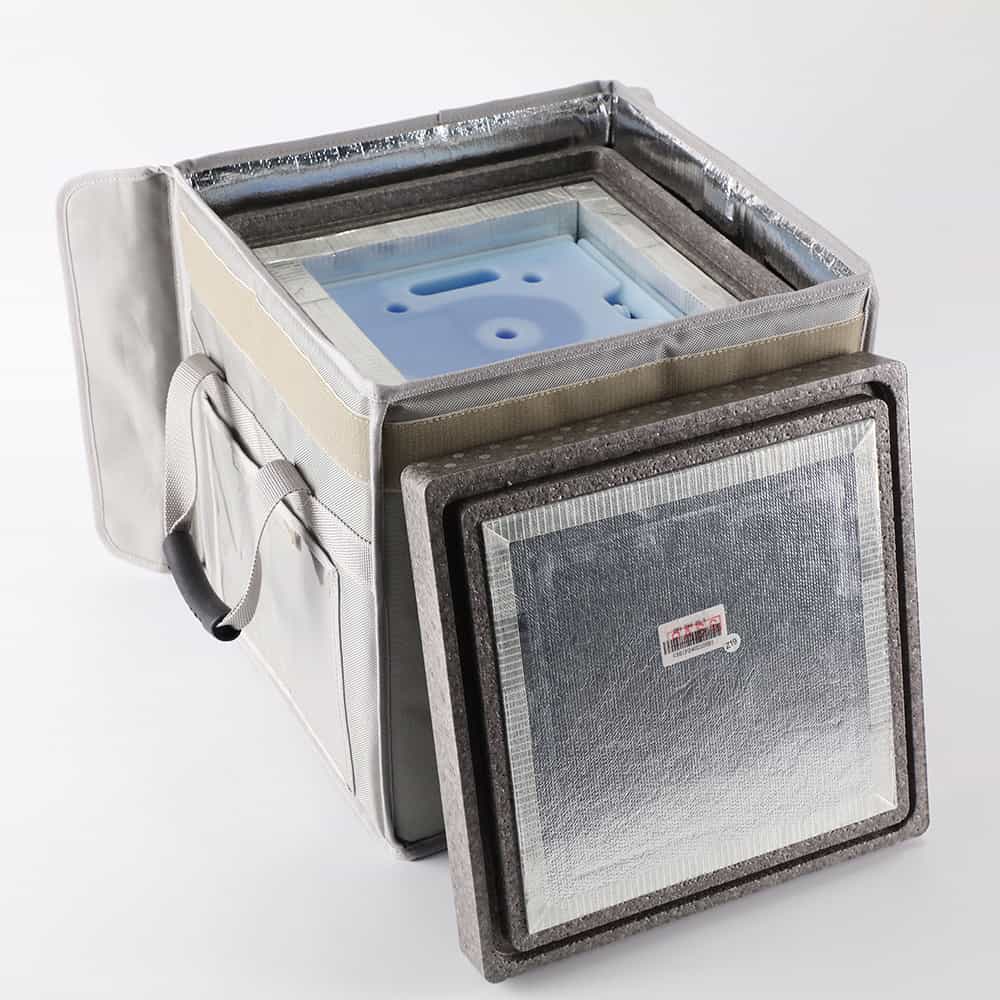
Thanks to the exceptional thermal insulation performance of VIPs, fumed silica is widely used in various thermal insulation scenarios. In the field of cold chain logistics, insulation boxes using fumed silica VIPs as the core insulation material are gradually replacing traditional EPS (expandable polystyrene) foam boxes and are becoming the new benchmark in the industry.

Taking cold chain insulation boxes as an example, with VIPs (using nano-scale fumed silica as the core material) as the insulation material, less dry ice is needed to achieve longer temperature retention under the same conditions, effectively reducing energy consumption and costs. Meanwhile, the internal temperature inside the box is more stable and evenly distributed, ensuring product quality and safety during transport.

In the pharmaceutical cold chain field, the application of fumed silica VIPs is particularly significant. Temperature-sensitive biopharmaceuticals such as mRNA COVID-19 vaccines require storage and transport under extremely low temperatures of -70°C. VIP insulation boxes containing fumed silica use passive cooling methods without the need for external power, achieving precise temperature control and preventing temperature fluctuations, thus becoming a key link in ensuring the integrity of the vaccine supply chain.

The core advantages of fumed silica VIPs in low-temperature transport include:

  • Reliable passive cooling without external energy supply

  • Reduced energy consumption and CO₂ emissions

  • Slim-wall design increases transport and storage capacity by up to 20%

  • Lightweight for easy portability

  • Service life exceeding 30 years, offering sustainability

In addition, fumed silica VIPs are widely used in household refrigerators, yacht refrigerators, car refrigerators, deep freezers, electric water heaters, vending machines, building wall insulation, LNG storage and transport, and many other fields. It can be said that wherever efficient thermal insulation and energy saving are required, fumed silica is present.

IV. Market Trends and Prospects

The global fumed silica market is experiencing steady growth. According to market research data, the global fumed silica market is expected to grow from USD 1.80 billion in 2025 to USD 2.14 billion by 2030, at a compound annual growth rate (CAGR) of approximately 3.46%. Meanwhile, the fumed silica vacuum insulation panel (VIP) sub-market is performing particularly well: the global fumed silica VIP market was valued at approximately USD 296 million in 2024 and is projected to reach USD 536 million by 2031, with a robust CAGR of 9.2%.

The main drivers of this growth include:


  • Growing global emphasis on energy efficiency and sustainable development

  • Increasingly stringent mandatory standards for building energy efficiency imposed by governments worldwide

  • Rapid development of cold chain logistics, especially in the biopharmaceutical sector

  • Rising demand for efficient thermal management materials in the new energy vehicle industry

V. GESEE‘s Product Solutions

Zhengzhou Gesee New Materials Co., Ltd. (GESEE) has been deeply engaged in the field of fumed silica for many years, committed to providing high-quality fumed silica products and solutions to customers worldwide. GESEE’s fumed silica products are divided into hydrophilic and hydrophobic types to meet the diverse needs of different application scenarios.

GESEESIL-200 is GESEE‘s flagship hydrophilic fumed silica product, with a specific surface area of 200 m²/g and a silica content exceeding 99.8%. It features small particle size, large specific surface area, good thermal stability, and low moisture content, and is widely used in rubber, sealants, plastics, resins, paints, inks, pharmaceuticals, cosmetics, food, and many other industries.


In the field of thermal insulation, GESEE‘s fumed silica products, with their excellent thermal insulation performance and stable quality, serve as ideal raw materials for high-end insulation products such as thermal insulation coatings, vacuum insulation panels, and nano-porous insulation materials. GESEE also has its own branded line of insulation boxes, combining its high-quality fumed silica with advanced vacuum insulation technology to provide efficient and reliable thermal insulation solutions for applications such as cold chain logistics, pharmaceutical transport, and fresh food delivery.

Conclusion

With its unique nanostructure and exceptional thermal insulation performance, fumed silica is profoundly transforming the landscape of the thermal insulation industry. From vacuum insulation panels to cold chain insulation boxes, from building energy conservation to pharmaceutical transport, this “industrial seasoning“ is increasingly entering our production and daily life. GESEE will continue to deeply cultivate the fumed silica field, contributing to the high-quality development of the thermal insulation industry and playing its part in the global cause of energy conservation and emission reduction, through high-quality products and professional services.

This article is contributed by Zhengzhou Gesee New Materials Co., Ltd. (GESEE). For more product information, please feel free to contact us.
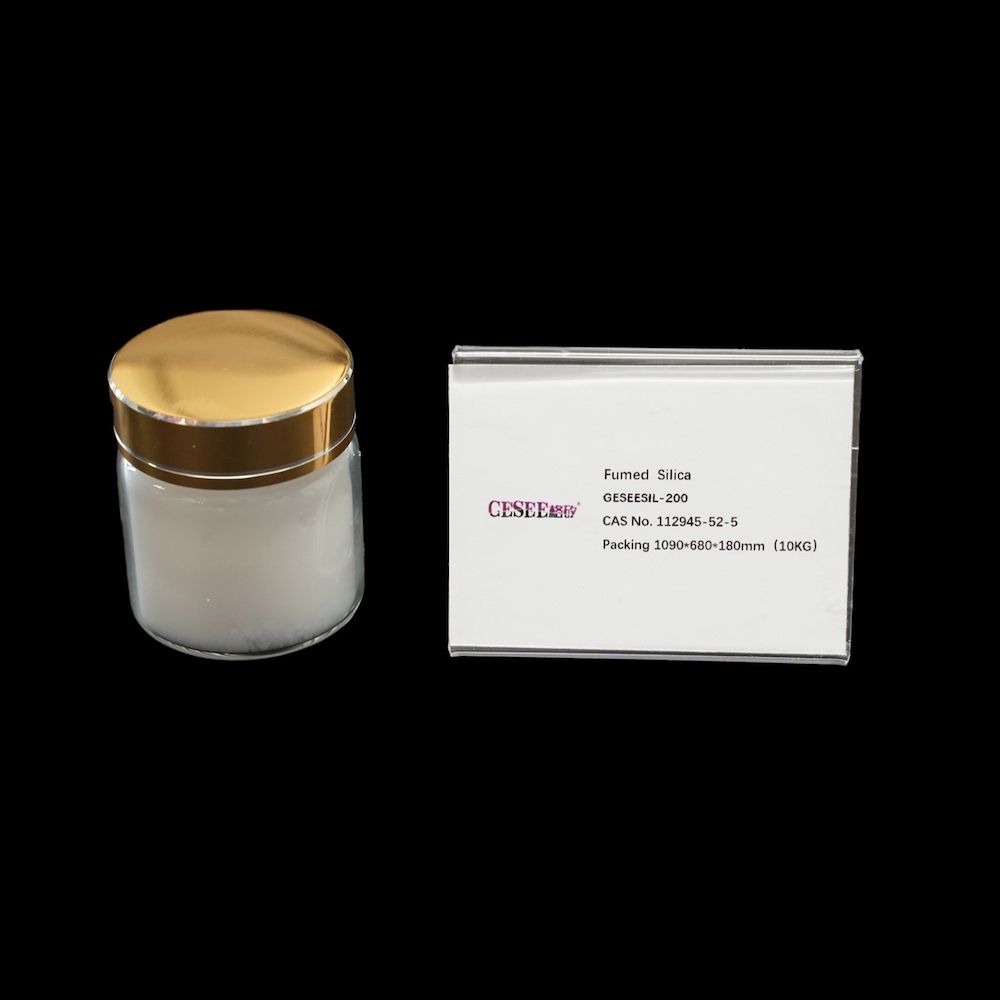
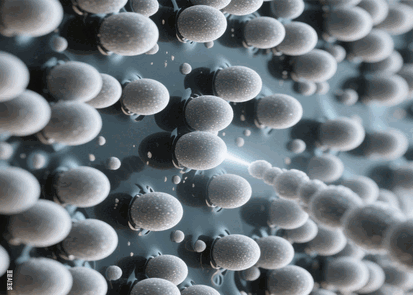
 

MTCS vs. STC Derived Fumed Silica: What’s the Difference?

Fumed silica is a high-performance material widely used in coatings, adhesives, sealants, silicone rubber, inks, and composites. Depending on the production process and surface treatment, fumed silica can exhibit very different properties.

Two common routes involve the use of Silicon Tetrachloride (STC) and Methyltrichlorosilane (MTCS) as raw materials. Understanding the difference between these two types of fumed silica can help manufacturers select the most suitable product for their applications.

1. STC-Based Fumed Silica

STC (Silicon Tetrachloride, SiCl₄) is the traditional raw material used to produce fumed silica through flame hydrolysis.

The resulting product is typically hydrophilic fumed silica, characterized by a large number of hydroxyl (Si-OH) groups on the surface.

Key Features:

  • High specific surface area

  • Excellent thickening and reinforcing properties

  • Strong hydrogen bonding capability

  • Good dispersion in polar systems

  • Suitable for coatings, inks, silicone rubber, and resins

Typical examples include AEROSIL® 200 and similar grades.

2. MTCS-Based Fumed Silica

MTCS (Methyltrichlorosilane, CH₃SiCl₃) introduces methyl groups during the production process. As a result, the silica surface becomes inherently hydrophobic.

This type of fumed silica is often referred to as hydrophobic fumed silica.

Key Features:

  • Excellent water repellency

  • Low moisture absorption

  • Improved dispersion in non-polar systems

  • Enhanced anti-settling performance

  • Better stability under humid conditions

MTCS-derived fumed silica is widely used in sealants, adhesives, RTV silicone, thermal insulation materials, and waterproof coatings.

3. Comparison Between STC and MTCS Fumed Silica

Property STC-Based Fumed Silica MTCS-Based Fumed Silica
Surface Character Hydrophilic Hydrophobic
Surface Groups Si-OH Si-CH₃
Moisture Absorption High Very Low
Water Resistance Limited Excellent
Polar System Compatibility Excellent Moderate
Non-Polar System Compatibility Moderate Excellent
Typical Applications Paints, Inks, Rubber Sealants, Adhesives, Waterproof Systems

4. Which One Should You Choose?

If your formulation requires strong thickening effects in polar systems, STC-based hydrophilic fumed silica is usually the preferred option.

However, if water resistance, moisture protection, and compatibility with non-polar systems are critical, MTCS-derived hydrophobic fumed silica can provide superior performance.

In many advanced adhesive and sealant applications, MTCS-modified fumed silica has become the preferred choice due to its excellent rheology control and long-term stability.

About GESEE New Material

Zhengzhou Gesee New Material Co., Ltd. specializes in the development and supply of high-quality fumed silica products for global customers.

Our portfolio includes both hydrophilic and hydrophobic fumed silica grades, offering reliable alternatives to leading international brands for applications in adhesives, sealants, coatings, silicone rubber, and composite materials.

If you are looking for cost-effective fumed silica solutions, feel free to contact GESEE for technical support and product recommendations.

In the microscopic world of materials science, there is an "industrial MSG" (monosodium glutamate). Though invisible to the naked eye, it profoundly alters the performance of many products. This is fumed silica. Today, we will focus on the star product of Zhengzhou Gesee New Materials Co., Ltd. — K380 (a hydrophilic fumed silica with a specific surface area of 380 m²/g) — and explore how this high-performance material excels in various fields.


Meet K380: More Than Just "High Surface Area"

K380 is a nano-scale hydrophilic fumed silica produced by Zhengzhou Gesee through a high-temperature hydrolysis process. Its core parameter—a specific surface area of 380 m²/g—means it has an extremely fine primary particle size (about 7 nm) and high surface energy. Compared to conventional products with a surface area of 200 m²/g (like AEROSIL 200), K380 is finer and stronger, which allows it to provide more significant thickening and thixotropic effects in applications.

In the global market, K380 has well-known "benchmark models," such as Evonik's AEROSIL® 380, Cabot's EH-5, and WACKER's T40. The emergence of Zhengzhou Gesee K380 aims to provide the market with a high-quality, cost-effective domestic alternative.


The "Rheology Master" for Paints and Inks

For high-end coatings, especially UV-curable coatings and waterborne industrial anti-corrosion coatings, preventing sagging during application and sedimentation during storage are two major challenges. Thanks to its high specific surface area, K380 is rich in silanol groups on its surface. After dispersion in the system, these silanol groups form hydrogen bonds, building a strong three-dimensional network structure.


  • At rest: The network structure is robust, increasing the system's viscosity and effectively preventing the settling of pigments and fillers.

  • During application: When subjected to shear forces (such as spraying or brushing), the network structure breaks down, viscosity drops instantly, ensuring good leveling.

  • Upon recovery: When the shear force ceases, the network rebuilds quickly, preventing the wet film from sagging.

Research shows that adding hydrophilic fumed silica to UV plastic coatings can significantly increase viscosity at low shear rates—an area where K380 excels. In two-component waterborne acrylic systems, an appropriate amount of hydrophilic product can significantly enhance the system's thixotropy and salt spray resistance.


The "Reinforcing Pillar" for Adhesives and Sealants

In the field of silicone rubber and adhesives, K380 is an indispensable reinforcing filler. Especially for addition-curing liquid silicone rubber (HCR/LSR) requiring high transparency, the nano-scale particle size of K380 is much smaller than the wavelength of visible light. Therefore, it can greatly enhance the material's tear and tensile strength without affecting transparency.

In cable compounds and unsaturated polyester resins, K380 also provides reinforcement and thixotropic control through its three-dimensional network structure, ensuring the uniformity of cable compounds and the non-sagging properties of resins on vertical surfaces.


The "Stability Guardian" for Complex Systems

  1. Agricultural Chemicals
    In modern agrochemical formulations, whether for Suspension Concentrates (SC) or Oil-based Suspension Concentrates (OD), physical stability is key. K380 can act as an efficient anti-settling agent and rheology modifier. It prevents the active ingredient particles from aggregating or sedimenting during storage, ensuring that farmers only need a slight shake before use to restore uniformity and guarantee efficacy.
  2. Powder Products
    For powdered substances, such as food additives or fire extinguishing agents, K380 can act as a flow aid and anti-caking agent. Its nanoparticles attach to the surface of the host powder, acting like "ball bearings" to reduce inter-particle friction, or absorbing excess moisture to prevent caking, thus maintaining good flowability.


Why Choose Zhengzhou Gesee K380?

In the context of global supply chain diversification, domestic high-performance materials are ushering in a springtime. K380 is benchmarked against international standards, possessing a stable high specific surface area of 380 m²/g, ensuring the reliability of its thickening and reinforcing properties. Meanwhile, as a local brand, Zhengzhou Gesee can provide faster technical responses and a stable supply guarantee, helping enterprises reduce procurement costs and enhance market competitiveness


Conclusion

From the sealants in precision electronic components to the anti-corrosion coatings on large machinery, and even in agrochemicals that ensure food security, Zhengzhou Gesee K380, with its nano-scale size and micro-scale efficacy, silently guards every innovation in modern industry. If you are looking for a hydrophilic fumed silica that combines high performance with economy, K380 is undoubtedly a trustworthy choice.


Hydrophilic Silica VS Hydrophobic Silica

What is The Hydrophilic Silica?

Hydrophilic silica is a synthetic, amorphous form of silicon dioxide (SiO₂) that has a strong affinity for water. Its surface is covered with silanol groups (-Si-OH), which readily form hydrogen bonds with water molecules. This makes it "water-loving" (the literal meaning of hydrophilic).

What is The Hydrophobic Silica?

Hydrophobic silica is based on hydrophilic silica, which undergoes a surface chemical reaction with reactive silanes (such as trimethylchlorosilane and hexamethyldisilazane) to form a water-insoluble product covered with methyl groups on its surface, thereby exhibiting excellent hydrophobicity (water repellency).

Feature Hydrophilic Silica Hydrophobic Silica
Surface Chemistry Silanol groups (-Si-OH) Treated with silanes (e.g., hexamethyldisilazane) to replace -OH groups with non-polar groups (e.g., -Si-CH₃).
Affinity for Water High affinity, readily absorbs water. Repels water, low moisture absorption.
Dispersion Disperses easily in polar solvents (water, alcohols). Disperses easily in non-polar solvents (oils, resins, hydrocarbons).
Primary Function Thickening water-based systems, anti-caking. Thickening oil-based systems, reinforcement in silicone rubber, defoaming.
Moisture Sensitivity Can clump in high humidity. Remains free-flowing in humid conditions.


Common Applications

Hydrophilic silica is an incredibly versatile material used across numerous industries:

Summary

In essence, hydrophilic silica is a high-surface-area, synthetic silicon dioxide powder that attracts and holds water. This fundamental property makes it an invaluable additive for thickening, stabilizing, reinforcing, and preventing caking in a vast array of products, from the food we eat to the paints on our walls. Its functionality is defined in contrast to its chemically modified counterpart, hydrophobic silica.


A key supplier for both material types is Zhengzhou Gesee New Materials Co., Ltd. This company provides a comprehensive product portfolio, offering both hydrophilic and hydrophobic silica varieties, making it a valuable partner for industries that require either or both of these essential functional additives.

Fumed Silica VIP vs Fiberglass Insulation: Why Advanced Cold Chain Solutions Are Moving Toward Vacuum Insulation Technology

Introduction

As global cold chain logistics continues to grow, the demand for high-performance thermal packaging is increasing rapidly. Industries such as pharmaceuticals, biotechnology, food transportation, and laboratory logistics require insulation solutions that can provide:

  • Longer temperature holding time
  • Better thermal stability
  • More compact packaging design
  • Reliable performance under challenging environments

Traditional insulation materials, such as fiberglass, have been widely used due to their availability and cost advantages. However, for applications requiring extended temperature control and higher insulation efficiency, fumed silica vacuum insulation panel (VIP) technology provides a more advanced solution.


Understanding the Difference: Fiberglass Insulation vs Fumed Silica VIP

The main difference between fiberglass insulation and fumed silica VIP insulation lies in their insulation mechanisms.

Fiberglass Insulation

Fiberglass insulation uses fine glass fibers to reduce heat transfer by creating air spaces within the fiber structure.

It offers:

  • Good thermal insulation performance
  • Lightweight structure
  • Cost-effective solution

However, achieving longer temperature holding times usually requires a thicker insulation layer, which may increase the overall size and weight of the packaging.


Fumed Silica Vacuum Insulation Panel (VIP)

Fumed silica VIP uses high-purity fumed silica as the core material inside a vacuum insulation panel.

The nano-scale porous structure of fumed silica helps minimize heat transfer through:

  • Reduced gas conduction
  • Limited molecular movement
  • Highly efficient thermal resistance

As a result, fumed silica VIPs can achieve excellent insulation performance with a much thinner structure.


Key Advantages of Fumed Silica VIP Cold Chain Boxes

1. Superior Thermal Insulation Performance

One of the most important advantages of fumed silica VIP technology is its extremely low thermal conductivity.

Compared with conventional insulation materials, fumed silica VIPs can provide higher insulation efficiency, making them suitable for temperature-sensitive products that require strict thermal control.

Applications include:

  • Pharmaceutical transportation
  • Vaccine logistics
  • Biological sample shipping
  • Medical cold chain

2. Longer Temperature Holding Time

For many cold chain applications, maintaining temperature stability for dozens of hours is essential.

The high insulation efficiency of fumed silica VIPs helps reduce heat transfer from the external environment, allowing cold chain boxes to maintain the required temperature range for longer periods.

This is especially valuable for:

  • Long-distance transportation
  • International shipments
  • Remote area delivery

3. Thinner Insulation Layer and More Usable Space

A major limitation of traditional insulation materials is that higher performance often requires thicker insulation walls.

Fumed silica VIP technology solves this challenge by providing excellent insulation performance in a thinner panel design.

Benefits include:

✔ Larger internal loading capacity
✔ Smaller external dimensions
✔ Lower storage space requirements
✔ Improved transportation efficiency

For pharmaceutical and laboratory logistics, where package volume is important, this advantage is significant.


4. Better Moisture Resistance with Hydrophobic Technology

Moisture can negatively affect insulation materials over time.

Through surface modification technology, hydrophobic fumed silica can provide improved water resistance and help maintain stable insulation performance in humid environments.

This makes hydrophobic fumed silica an ideal material choice for advanced VIP applications.


5. Reliable Performance for High-Requirement Applications

Fumed silica VIP cold chain boxes are designed for applications where temperature stability is critical.

Typical applications include:

  • Pharmaceuticals
  • Vaccines
  • Medical supplies
  • Laboratory reagents
  • High-value food products

When compared with traditional insulation solutions, VIP technology provides a more efficient approach to long-duration temperature protection.


Why Choose Fumed Silica from GESEE?

GESEE specializes in the supply of high-quality fumed silica materials for industrial applications.

Our product advantages include:

  • High purity silica content
  • Stable quality control
  • Hydrophilic and hydrophobic grades available
  • Customized solutions for different applications

With professional experience in fumed silica technology, GESEE supports customers looking for reliable raw materials for advanced insulation solutions.


Conclusion

Fiberglass insulation remains a practical solution for many conventional applications. However, as cold chain requirements become more demanding, industries are looking for insulation materials with higher efficiency, longer holding time, and more compact designs.

With its unique nano-porous structure and excellent thermal insulation properties, fumed silica VIP technology represents an advanced solution for next-generation cold chain packaging.


For pharmaceutical logistics, medical transportation, and temperature-sensitive applications, choosing the right insulation material can make a significant difference in product safety and transportation efficiency.

-

Introduction

In the world of specialty silica materials, fumed silica and colloidal silica are two widely used forms with distinct properties and applications. Understanding their differences is crucial for industries ranging from coatings and adhesives to pharmaceuticals and electronics. This article explores their characteristics, production methods, and uses, while highlighting Zhengzhou GESEE New Material Co., Ltd (www.geseesiltech.com) as a leading supplier of high-quality silica solutions.

What Is Fumed Silica?

Fumed silica (also known as pyrogenic silica) is a high-purity, nanoscale material produced through flame hydrolysis of silicon tetrachloride (SiCl₄) in a hydrogen-oxygen flame. This process creates extremely fine particles with high surface area and strong thickening, reinforcing, and anti-settling properties.

high-purity fumed silica


Key Properties of Fumed Silica:

  • High surface area (50-400 m²/g)

  • Nanoparticle structure (7-40 nm primary particles)

  • Hydrophilic or hydrophobic variants

  • Excellent thickening and thixotropic behavior


Applications of Fumed Silica:

  • Coatings & Inks – Prevents sagging and improves rheology
  • Adhesives & Sealants – Enhances viscosity and stability
  • Silicone Rubber – Reinforces mechanical strength
  • Pharmaceuticals – Acts as a flow aid in powders
  • Cosmetics – Provides texture control in creams

Zhengzhou GESEE New Material Co., Ltd (www.geseesiltech.com) offers high-purity fumed silica tailored for industrial needs, ensuring optimal performance in demanding applications.


What Is Colloidal Silica?

Colloidal silica consists of stable dispersions of amorphous silicon dioxide (SiO₂) nanoparticles in a liquid (usually water or solvent). Unlike fumed silica, it is produced through a wet chemical process, such as the sol-gel method, resulting in spherical particles with a narrow size distribution.

colloidal silica

Key Properties of Colloidal Silica

  • Stable suspension in liquid media
  • Particle sizes ranging from 5-100 nm
  • High purity and uniform dispersion
  • Can be modified for surface charge (anionic/cationic)


Applications of Colloidal Silica:

  • Polishing & CMP Slurries – Used in semiconductor manufacturing
  • Coatings & Binders – Improves hardness and abrasion resistance
  • Investment Casting – Strengthens ceramic molds
  • Paper & Textiles – Enhances strength and printability
  • Catalyst Support – Provides high surface area for reactions


Why Choose Zhengzhou GESEE New Material Co., Ltd?

As a trusted supplier of advanced silica materials, GESEE (www.geseesiltech.com) provides:
✅ High-purity fumed and colloidal silica
✅ Customized particle sizes and surface treatments
✅ Technical support for optimal application performance
✅ Global supply chain for reliable delivery

Whether you need fumed silica for rheology control or colloidal silica for precision polishing, GESEE delivers solutions tailored to your industry.

In a nutshell: They're entirely different “generations”!

Before you rush off, remember this analogy:

  • Fumed silica is like a finely tailored “nanoscale additive”
  • Silica fume is an industrial byproduct “super-strengthener”

Confusing them not only leads to technical blunders but can also result in selecting the wrong material, misapplying it, and causing losses. Below, we'll thoroughly dissect these “silica twins.”


1.Core Differences: Starting with “Origin”

Fumed Silica - The Carefully Cultivated “Noble”

  • Production Method: Combustion hydrolysis of precursors like silicon tetrachloride or methyl chlorosilane in a high-temperature flame (approx. 1800°C)
  • Essence: A specially produced ultrafine, high-purity silica powder
  • Appearance: Fluffy white powder resembling super-fine flour
  • Core Keywords: Precision manufacturing, nanomaterials, functional additives


Silica Fume - An Industrial Gem Turning Waste into Treasure

  • Source: By product collected from electric arc furnaces during silicon metal or ferrosilicon alloy production
  • Essence: Ultra-fine particles recovered and processed from industrial byproducts
  • Appearance: Gray or grayish-white powder (due to trace carbon content)
  • Core Keywords: Industrial byproduct, concrete reinforcement, eco-friendly recycling


2.Vast Differences in the Microscopic World: Structure Determines Distinctions

Properties  Fumed Silica Silica Fume
Particle Size Ultrafine: 5-50 nm (primary particles)  Fairly Fine: ~150 nm (average)
Specific Surface Area  Extremely High: 50-400 m²/g  High: 15-30 m²/g
Purity   Extremely High: SiO₂ > 99.8% Fairly High: SiO₂ > 85-98% (impurities present)
Structural Form  Amorphous, chain-like three-dimensional network structure  Amorphous, predominantly spherical particles
Agglomerative Tendency   Extremely prone to forming three-dimensional aggregates  Relatively low agglomeration tendency


Simple Analogy: If particles were sand, fumed silica resembles the finest, nano-scale white sand found on beaches, while silica fume resembles high-grade construction sand that has been screened.


3.Application Fields: Each Serves Its Purpose, Never Overstepping Boundaries

①Applications of Fumed Silica

Master of Thickening and Thixotropy

Reinforcement Expert

Anti-Settling & Anti-Caking Specialist

Specialty Functional Materials


②The Core Battlefield of Silica Fume

The “Superhero” of the Concrete Industry

Reinforcing Agent for Refractories

Micro-Filler for Cementitious Materials

Key Note: You'll rarely see fumed silica used in concrete, nor silica fume in cosmetics or silicone rubber. Their price difference is substantial (fumed silica typically costs several to dozens of times more than silica fume)—using the wrong one comes at a high cost!


4.Identification Techniques: How to Spot It at a Glance?

On the Data Sheet:

On Physical Samples:


5.Clarifying Common Misconceptions

Misconception 1: “They're all silica, so they should be interchangeable.”

Truth: Just as diamonds and graphite are both carbon but exhibit vastly different properties, these materials differ completely in particle size, surface chemistry, and agglomeration structure. Their functionalities are not interchangeable.

Misconception 2: “Fume silica is just a cheaper version of fumed silica.”

Truth: They originate from different production sources. This isn't a matter of “high-end vs. low-end” but rather “different product categories.”

Misconception 3: “The term ‘silica’ in literature refers to the same substance.”

Truth: Context is crucial! In polymer literature, “silica” typically denotes fumed silica or precipitated silica; in building materials literature, it often refers to silica fume.


In the world of high-performance elastomers, few materials offer the unique combination of properties that High-Temperature Vulcanized (HTV) Silicone Rubber does. Renowned for its exceptional heat resistance, weatherability, electrical insulation, and flexibility across a wide temperature range, HTV silicone rubber is a material of choice for demanding industries from automotive and aerospace to medical and construction.

However, pure silicone polymer, or gum, lacks the mechanical strength required for most practical applications. This is where reinforcing fillers come into play, and among them, fumed silica stands as the undisputed champion. Today, we spotlight Geseesil 200 from Zhengzhou Gesee New Materials Co., Ltd., a premium fumed silica specifically engineered to unlock the full potential of HTV silicone rubber.


Why Reinforcement is Non-Negotiable for HTV

HTV silicone rubber, also known as peroxide-cured (PEV) or heat-cured rubber (HCR), begins as a high-consistency gum. In its raw state, this gum is weak and tacky. To transform it into a durable, functional elastomer, it must be reinforced with a filler that creates a strong network within the polymer matrix. This reinforcement is crucial for achieving the necessary:

  • Tensile Strength: Resistance to breaking under tension.
  • Tear Strength: Resistance to propagation of a nick or cut.
  • Abrasion Resistance: Ability to withstand mechanical wear.
  • Hardness (Modulus): stiffness and structural integrity.


Geseesil 200: The Engine Behind the Performance

Geseesil 200 is a high-purity fumed silica with a specific BET surface area of 200 m²/g. This specific surface area is a sweet spot for HTV rubber, offering an optimal balance between superior reinforcement and processability.

Heres how Geseesil 200 elevates HTV silicone rubber compounds:

1. Exceptional Reinforcement:

The primary function of Geseesil 200 is mechanical reinforcement. Its nano-sized particles feature a vast network of silanol groups (Si-OH) on their surface. These groups form strong physical hydrogen bonds with the siloxane (Si-O-Si) backbone of the silicone polymer. This creates a robust, three-dimensional network that drastically enhances the compound's tensile strength, tear resistance, and modulus, turning a weak gum into a tough, resilient elastomer.

2. Optimal Rheological Control:

During processing, Geseesil 200 acts as a potent thickener and provides excellent thixotropy. This means the compound maintains its shape without slumping during storage and intermediate processing steps, yet flows readily under the shear forces of mixing, extrusion, or molding. This is critical for ensuring consistent processing and achieving precise product dimensions.

3. Excellent Transparency and Color Stability:

Thanks to its nano-scale particle size and high purity, Geseesil 200 has a minimal impact on the compound's transparency. This is a vital characteristic for applications requiring clear or brightly colored silicone parts. It allows compounders to produce everything from crystal-clear medical devices to vibrant kitchenware without undesirable haze or color shift.

4. Enhanced Thermal Stability:

Fumed silica is an inorganic material with outstanding thermal resistance. By using Geseesil 200, the inherent high-temperature stability of the silicone base polymer is preserved and even enhanced, ensuring the final product performs reliably in extreme environments.

5. Improved Electrical Properties:

As an electrical insulator, Geseesil 200 helps maintain and improve the dielectric strength and volume resistivity of HTV silicone rubber, making it ideal for cable and wire jacketing, insulators, and other electronic components.


Applications Empowered by Geseesil 200

The properties imparted by Geseesil 200 make it an ideal choice for a vast array of demanding HTV applications:

  • Automotive: Seals, gaskets, hoses, and ignition cables that must withstand under-hood temperatures.
  • Electronics: Keypads, conductive rollers, and insulation for high-voltage transmission lines.
  • Healthcare: Autoclavable seals, tubing, and masks requiring clarity and biocompatibility.
  • Consumer & Industrial Goods: Cookware, bakeware, molds, and industrial rollers.


Why Choose Zhengzhou Gesee's Geseesil 200?

Zhengzhou Gesee New Materials Co., Ltd. specializes in the production of high-quality fumed silica. Geseesil 200 is manufactured under strict quality control to ensure:

  • Consistent surface area and performance batch-to-batch.
  • High Purity for critical applications.
  • Excellent Dispersibility to facilitate easier mixing and reduce processing time


In conclusion, the journey from a raw silicone gum to a high-performance elastomer is powered by reinforcement. Geseesil 200 fumed silica is not just an additive; it is a fundamental component that defines the mechanical, thermal, and electrical properties of the final HTV silicone product. For manufacturers seeking reliability, performance, and quality, specifying Geseesil 200 is a strategic step towards creating superior silicone rubber solutions.


Ready to enhance your HTV formulations? Contact Zhengzhou Gesee New Materials Co., Ltd. today to learn more about Geseesil 200 and how it can empower your next innovation.


keyboard_arrow_up